The US Army flag and veteran community flags represent military history, tradition, and camaraderie. They serve as powerful symbols of respect, fostering community among veterans and civilians through ceremonies and displays. Protocol guides their use, preserving legacy and honoring sacrifices. Customization allows expression of heritage, with online shops catering to this demand. These flags connect generations, evoking strong emotions and stories, ultimately strengthening bonds between communities.
The veteran community, a pillar of strength and pride for our nation, deserves recognition and honor through symbolic representation. However, the diverse tapestry of military service often leads to a labyrinthine array of flags, each with its own significance. Among these, the US Army flag stands as a powerful symbol, embodying courage, sacrifice, and camaraderie. This article delves into the importance of community flags, addressing the challenge of varied interpretations and proposals. We present a comprehensive guide, offering insights into the design, history, and significance of veteran community flags, aiming to foster a deeper understanding and appreciation for these symbolic emblems.
- Understanding Veteran Community Flags: A Historical Perspective
- Symbolism in US Army Flag Design: Meanings Unveiled
- The Role of Flags: Honoring Veterans Across Communities
- Creating Community: How Flags Foster Connection and Support
- Protocol and Display: Guidelines for Respectful Usage
- Preserving Heritage: Flag Customization and Evolution
Understanding Veteran Community Flags: A Historical Perspective
The history of veteran community flags is a vibrant tapestry woven with threads of military service, tradition, and identity. These flags, such as the iconic US Army flag, serve as powerful symbols that represent the collective pride, sacrifice, and camaraderie of those who have served their country. Understanding these flags requires delving into their historical context, exploring the protocols surrounding their use, and appreciating the unique role they play in fostering community bonds.
One notable aspect is the evolution of US Army command flags, including the paratrooper flag, which has reflected changing military strategies and global engagements. These flags have not only marked commands but also become cherished mementos for veterans, often displayed during parades, ceremonies, and reunions. Online shops like Ultimate Flags, for instance, cater to this demand by offering a wide range of authentic army flags, ensuring that veterans and their families can honorably display these symbols. Proper army flag protocol dictates specific guidelines for use, size, and placement, underscoring the respect and reverence due to these emblematic banners.
Over time, veteran community flags have transcended mere symbolism, becoming integral parts of preserving military history and fostering camaraderie among former service members. They serve as a visual reminder of shared experiences, challenging missions, and the unbreakable bonds forged in combat. By understanding their historical significance and adhering to established protocols, we honor the sacrifices made by our veterans and ensure that their legacies continue to inspire future generations.
Symbolism in US Army Flag Design: Meanings Unveiled
The US Army flag, a symbol of military might and tradition, boasts a rich history woven into its design elements. Each stripe, star, and emblem holds profound significance, reflecting the values and achievements of America's land forces. Delving into the symbolism reveals a narrative that spans centuries, from the hallowed grounds of the Civil War era banners to the modern-day flags adorning military bases worldwide. These flags serve as tangible reminders of the Army's global impact and the sacrifices made by its members.
Civil War era banners, for instance, often featured bold red, white, and blue hues alongside emblems representing individual regiments or brigades. These early flags were not just visual cues but also acted as powerful symbols of unity and identity on the battlefield. As the Army evolved, so did its flag design, incorporating special operations insignia and intricate army branch flags. The diverse range of Ultimate Flags similar online stores cater to this rich heritage, offering a variety of US Army-related merchandise that allows veterans and enthusiasts alike to display their pride.
Examining the US Army flag's evolution provides valuable insights into military history and symbolism. Each addition or modification tells a story—a testament to campaigns won, missions accomplished, and lives changed. For instance, the number of stars on the flag has fluctuated over time, mirroring the growth and reorganization of the Army's various branches. This dynamic nature ensures that the US Army flag remains a vibrant symbol, reflecting both historical continuity and adaptability.
Veterans and history enthusiasts can deepen their appreciation for these flags by exploring the specific insignia and designs unique to each army branch. From Special Operations units' distinctive emblems to the intricate patterns on 1st Infantry Division flags, these symbols convey pride, discipline, and a shared history. By understanding the meanings behind the US Army flag's design, one gains a deeper connection to the organization it represents and its enduring legacy.
The Role of Flags: Honoring Veterans Across Communities
Veteran community flags serve as powerful symbols of gratitude and respect for those who have served their country. Among these, the us army flag holds a unique and revered place. Its design, often featuring bold red, white, and blue stripes alongside iconic military insignia, speaks to the bravery and sacrifice of Army veterans. The army green banner, with its subtle yet symbolic color, further emphasizes the connection to the military's rich history and traditions.
The role of flags in honoring veterans extends beyond mere aesthetics. They act as focal points for community gatherings, ceremonies, and memorial events, fostering a sense of camaraderie and shared remembrance. For instance, vintage military flag collections can evoke strong emotional responses from both veterans and civilians, reminding them of the sacrifices made by their forefathers and foremothers. These flags, with their intricate military insignia design, serve as tangible links to the past, bridging generations and keeping alive the stories and memories associated with them.
Practical insights for communities looking to incorporate veteran community flags include designing displays that are both eye-catching and respectful. Using high-quality materials ensures longevity, while incorporating LED lighting can make these flags stand out during night events. Moreover, engaging local veterans' organizations in the selection and placement of flags shows deep appreciation and respect. Ultimately, these symbols serve as a constant reminder of the sacrifices made by our us army flag heroes, fostering a culture of remembrance that is both meaningful and enduring.
Creating Community: How Flags Foster Connection and Support
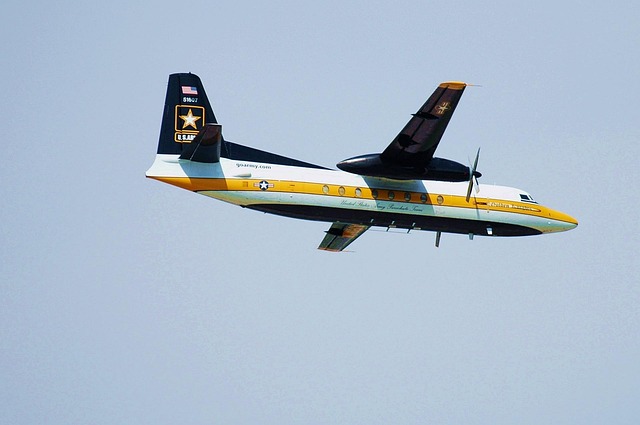
Flags have long served as powerful symbols of identity, unity, and pride within communities, and this is particularly evident in the veteran community. The US Army flag, a revered emblem, plays a pivotal role in fostering connection and support among former service members and their families. This tradition harkens back to the historical use of flags by American forces, which have evolved over time to represent not just military might but also the values and heritage of our nation's defenders.
The dimensions of the US Army flag, adhering to the American Forces Standard, ensure its recognition across various settings. These standards dictate specific sizes, from the 3x5-foot (a common household display) to larger 6x10-foot flags for official ceremonies and military appreciation events. The historical context behind these flags is rich; for instance, the rebel flag, once a symbol of the Confederacy, has evolved into a contentious yet recognized representation in certain segments of society. However, it's crucial to differentiate this from the US Army's heritage flags, which celebrate the service and sacrifice of American troops, fostering a sense of community and appreciation during military appreciation events.
By incorporating these heritage flags into public spaces and official gatherings, communities honor the past while strengthening bonds among veterans. This practice encourages dialogue, sharing of stories, and the passing down of history to younger generations. For instance, displaying US Army flags alongside other service branches at Memorial Day ceremonies or during local military appreciation events can create a powerful visual narrative, emphasizing unity and shared sacrifice. As a result, these symbols become more than just fabric and dye; they become testaments to the resilience, courage, and camaraderie that define our nation's veterans.
Protocol and Display: Guidelines for Respectful Usage
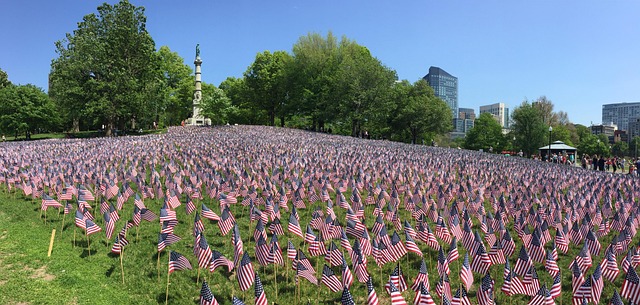
The display and protocol surrounding veteran community flags, particularly the US Army flag, demand the utmost respect and understanding. These symbolic banners hold profound historical value, representing the sacrifices and achievements of military personnel. When unfurled during ceremonies or flown daily, each fold and position holds specific meaning, reflecting the rich traditions upheld by veterans across generations. For instance, the standard 13 folds represent the 13 original colonies, while additional folds honor various service branches and their unique contributions.
Guidelines for displaying US Army flags, often reproduced with meticulous care as specialty army flags, are stringent to preserve their significance. Veterans and community organizations adhere to precise protocols when raising or lowering these flags, ensuring they are displayed at the appropriate height on a pole positioned in an honored place. The US Army flag, typically crafted with army green banner symbolism, is no exception. This color holds historical meaning, representing the service and sacrifice of Army soldiers worldwide. Respectful handling and display of such flags not only honor the past but also foster a sense of camaraderie and pride among active-duty military and veterans alike.
Flag folding traditions, often witnessed during memorial services or veteran gatherings, are deeply moving rituals. The ceremonial folding of the flag into precise triangles—a tradition that has evolved over time—is a poignant reminder of the principles for which veterans have fought. These practices have been meticulously preserved and passed down through generations, ensuring that the symbolism and honor associated with these flags endure. When organizing events or displaying veteran community flags, it is essential to consult with local veterans' organizations to ensure cultural sensitivity and respect for their dedication and service.
Preserving Heritage: Flag Customization and Evolution
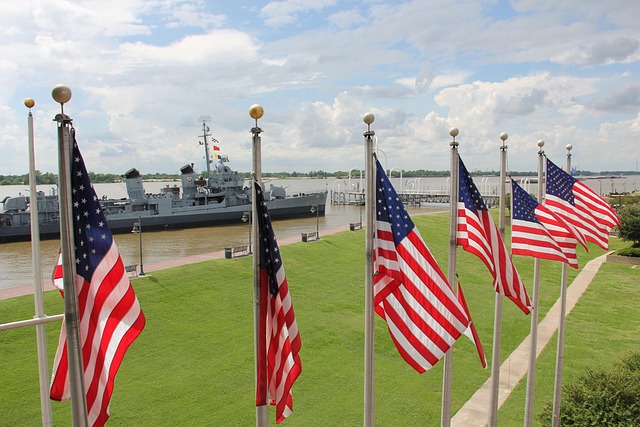
Veterans in communities across the globe hold a deep reverence for their heritage, and one powerful way to express this is through the customization and evolution of flags. The US Army flag, a symbol of strength and sacrifice, has undergone significant transformations over time, reflecting the changing times and needs of its service members. This section delves into the art of preserving history through flag customization, exploring how vintage flag marketplaces and online shops like Ultimate Flags cater to this unique niche.
Historical battlefield standards, once flown proudly on the front lines, have found new life as cherished collectibles and decorations in homes and public spaces. These flags hold immense sentimental value, serving as tangible links to the past. Online platforms dedicated to vintage flags offer a diverse range of options, allowing individuals to acquire pieces of history that tell compelling stories. For instance, an ancient US Army flag from World War II can transport its owner back to pivotal moments in military history, fostering a deeper connection to the sacrifices made by their ancestors.
As society evolves, so too does our understanding and appreciation for these historical symbols. Flag customization has become an art form, allowing veterans and enthusiasts to personalize designs while maintaining respect for tradition. Ultimate Flags, for example, provides extensive services for creating custom US Army flags, incorporating special emblems, patches, and colors that hold significance for various units and eras. This evolution ensures that heritage is not preserved in museums but lives on as an integral part of modern communities. By embracing these changes, we honor the past while shaping a vibrant future for our military symbols.
The US Army flag, a symbol of military heritage and community, serves as a powerful tool for honoring veterans and fostering connection. Through this article's exploration, we've uncovered the rich history behind veteran community flags, their intricate symbolism, and the diverse roles they play in society. We've learned that these flags act as pillars of support, uniting individuals through shared pride and remembrance. By understanding the guidelines for display and appreciating the evolution of design, communities can ensure the US Army flag is honored and utilized respectfully. This knowledge equips readers to recognize the significance of such symbols and take proactive steps to preserve and celebrate military heritage in their own contexts.