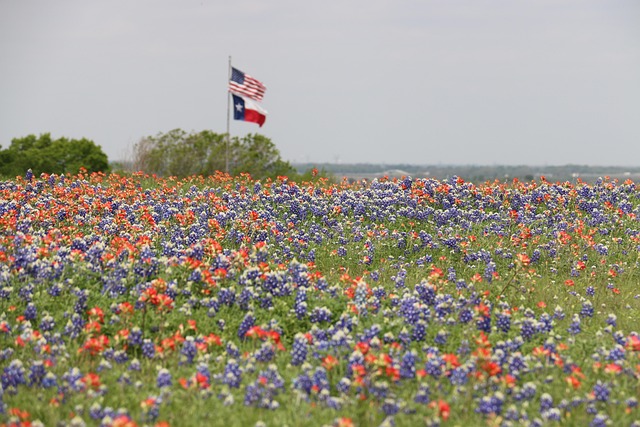
Recognizing veterans, especially through the display and respect of the US Army flag, is a powerful way to honor their service. Effective recognition goes beyond ceremonies, involving communities in dialogue about military experiences and adapting methods for diverse branches and eras. Strategic symbolism, like flag folding ceremonies, strengthens community bonds and preserves history. Custom printing services ensure accurate reproduction of flags, fostering support for veterans and celebrating military heritage. Local organizations should adopt these practices to honor veterans' legacy.
In a nation deeply proud of its military heritage, recognizing and honoring our veterans is more than a ritual; it's a profound expression of gratitude for their service and sacrifice. However, ensuring these gestures are memorable and meaningful presents a challenge. The US Army flag, a symbol of strength and honor, offers a powerful solution. By integrating this iconic banner into veteran recognition events and ceremonies, we create a visual narrative that resonates with attendees, leaving a lasting impression. This article delves into the strategies and benefits of employing the US Army flag to make veteran recognition truly memorable.
- Understanding the Importance of Veteran Recognition
- Honoring Our Heroes: US Army Flag Protocol
- Creating Memorable Ceremonies: Practical Tips
- Fostering Community Support for Veterans
Understanding the Importance of Veteran Recognition
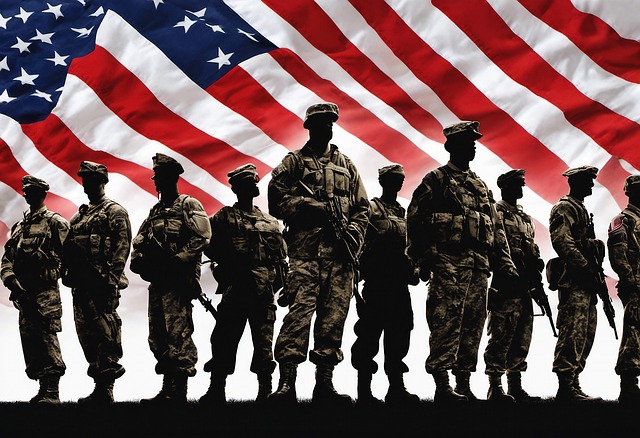
Recognizing veterans for their service is a profound way to honor the sacrifices made by those who've defended our nation. This act of gratitude holds significant importance, especially in fostering a culture that values and preserves the legacy of military service. The impact of veteran recognition extends far beyond a simple gesture; it strengthens societal bonds, inspires future generations, and contributes to a more informed and appreciative citizenry.
In the United States, the tradition of honoring veterans dates back to the Civil War era, where banners and flags played a pivotal role in rallying troops and acknowledging their contributions. Today, symbols like the green beret patch and the esteemed US Army flag continue this legacy, serving as powerful reminders of the valor and discipline embodied by our service members. This practice is not merely ceremonial; it aligns with the general officers' standards for excellence and leadership, fostering a sense of camaraderie and pride.
Effective veteran recognition goes beyond formal ceremonies and awards. It involves creating environments—both physical and cultural—that encourage open dialogue about military experiences. For instance, museums showcasing historical artifacts from various conflicts or community events that feature veterans sharing their stories can profoundly impact younger generations. Such initiatives not only educate but also inspire curiosity and respect for the diverse tapestry of service histories.
To ensure meaningful recognition, communities should prioritize understanding the unique experiences of different branches and eras, from the Civil War banners that adorned battlefields to the modern-day US Army flag carried with pride. This involves recognizing the distinct challenges faced by veterans, adapting recognition methods accordingly, and ensuring inclusivity for all who have served. By embracing this multifaceted approach, we honor not just individuals but also the collective strength and resilience embodied in every veteran's journey.
Honoring Our Heroes: US Army Flag Protocol
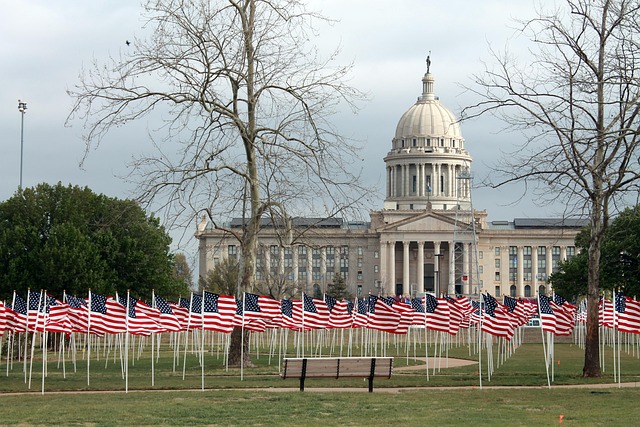
Recognizing and honoring our military veterans is an essential aspect of showing gratitude for their service and sacrifices. Among the many ways to pay tribute, the protocol for displaying the US Army flag holds a unique and profound significance. This tradition, deeply rooted in military culture, serves as a powerful symbol of respect and remembrance for those who have served in the Army, from the brave soldiers of the Civil War era to modern-day combat units.
The US Army flag, with its distinct design and history, is a meaningful tool for honoring veterans. During military ceremonies and celebrations, the flag is often presented with great care, accompanied by precise protocols. For instance, when a veteran's unit flag, such as those representing sniper units, is on display, it is customarily flown at half-staff as a sign of respect and remembrance. Online retailers like Ultimate Flags offer a vast selection of military flags, including US Army and Civil War-era banners, ensuring that veterans' service is remembered and celebrated. This practice not only preserves history but also reinforces the bond between communities and their military heroes.
Expert military historians and veterans themselves emphasize the importance of these protocols. They serve as a visual connection to the past, fostering a sense of continuity and appreciation for the sacrifices made. For example, the display of vintage Civil War-era banners at historical sites and memorials allows visitors to gain a deeper understanding of the traditions and values that have shaped the modern US Army. By following these protocols, communities can ensure that veterans feel respected and that their stories are preserved for future generations.
Actionable advice for honoring veterans through flag protocol includes educating oneself on the appropriate displays and attending local ceremonies where these traditions are celebrated. Many online resources, including websites like Ultimate Flags, provide detailed guidelines, making it accessible for anyone to participate in this meaningful practice. By embracing these customs, we can continue to honor our heroes and ensure their service is never forgotten.
Creating Memorable Ceremonies: Practical Tips
Recognizing and honoring veterans is a profound way to pay tribute to their service and sacrifice. When it comes to memorable ceremonies, every detail matters, especially the symbolic language of flags. The US Army flag, a powerful symbol of strength and patriotism, plays a significant role in these events. To create a ceremony that leaves a lasting impression, organizers should consider the art of flag folding and the meaningful traditions associated with it.
Flag folding ceremonies, a time-honored practice, require careful planning and execution. The precise folding sequence, often involving 13 folds to represent the 13 original colonies, is a testament to the honor and respect given to veterans. For instance, the US Army flag, when folded neatly and presented, becomes a visual narrative of a soldier's journey—a powerful symbol of their commitment and the values they uphold. Flag stores like Ultimate Flags offer a variety of high-quality flags, including brigade colors, ensuring organizers can source authentic and visually striking displays.
To make these ceremonies truly memorable, consider incorporating local elements and personal stories. For example, sharing the names and ranks of veterans in attendance, along with their military branches, adds a layer of intimacy. The US Army flag, when paired with individual stories, becomes a living tapestry of service. Additionally, involving veterans in the folding process, especially those with extensive experience, can bring a sense of continuity and reverence to the ceremony. By blending traditional practices with personal touches, organizers can create an event that resonates deeply with attendees.
Ultimately, memorable veteran recognition ceremonies are about honoring the present while preserving the past. The US Army flag, with its rich history and symbolic significance, serves as a powerful tool to foster a sense of community and gratitude. By following these practical tips and incorporating flag folding traditions, organizations can ensure these events are not just memorable but also meaningful, leaving a lasting impression on all who participate.
Fostering Community Support for Veterans
Recognizing and honoring veterans is not just a gesture of gratitude; it fosters a supportive community that values their service and sacrifices. In the United States, the tradition of honoring veterans has a rich history, reflected in the diverse and meaningful ways they are acknowledged, particularly through the display of flags. The US Army flag, with its distinct design and standard dimensions, holds a special place in this tapestry of military heritage. Custom printing services have played a pivotal role in ensuring that these flags, along with other military heritage flags, are produced accurately, allowing communities to display them proudly.
The history of US Army flags dates back to the early days of the American Forces, where flags served as symbols of identity, unity, and courage. Over time, these flags have evolved, reflecting changes in military uniforms, colors, and symbols. Today, the US Army flag, with its bold red, white, and blue stripes and distinctive stars, stands as a powerful reminder of the nation's commitment to its defenders. Communities across the country recognize the importance of these flags in fostering a sense of camaraderie and respect among citizens, veterans, and active-duty service members.
To effectively foster community support for veterans, local organizations and government bodies should consider incorporating these symbols of military heritage into public spaces and events. Custom printing services can facilitate this process by providing high-quality, historically accurate flags that meet the American Forces standard dimensions. By doing so, communities can create a visual narrative that celebrates the military's role in shaping the nation's history and strengthens the bond between citizens and their protectors. This collective effort not only honors the veterans but also ensures that their legacy and the values they uphold remain vibrant and relevant in modern society.
By recognizing and honoring our veterans, we not only pay tribute to their service and sacrifice but also foster a deeper sense of community and gratitude. This article has explored several key aspects of memorable veteran recognition, emphasizing the profound impact of proper protocol, such as the US Army Flag, in honoring our heroes. Practical tips on creating meaningful ceremonies, alongside strategies to engage and support veterans within the community, provide a comprehensive roadmap. Through understanding and implementing these insights, communities can ensure that veterans feel valued and remembered, leaving a lasting legacy of respect and appreciation.