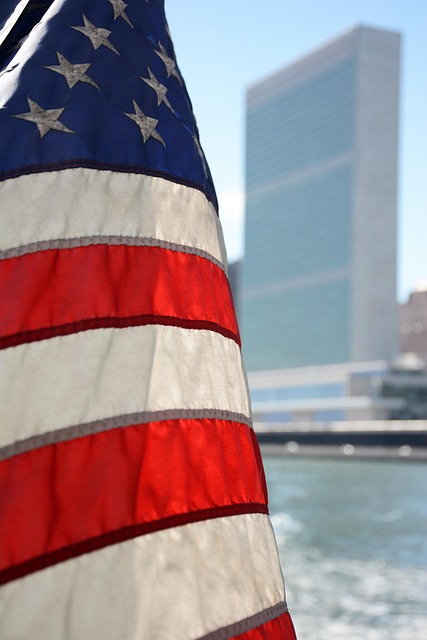
The US Army flag and its textiles represent military history, symbolism, and technological progress. Evolving since 1777, the flag reflects national growth and unity, with digital patterns enhancing stealth. Army green banners honor units' heritage. Textiles have advanced with durable materials, blending tradition and tech for modern warfare. Key innovations include aramid fibers, moisture-wicking technologies, and tailored camouflage. Custom printing enhances uniforms' symbolism and professional discipline. The US Army focuses on sustainable production while evolving designs meet operational needs, like smart fabrics and vintage-inspired camouflage. Proper handling ensures respect for these symbols of courage and sacrifice.
The United States Army, a beacon of strength and resilience, relies heavily on its textiles for both functionality and symbolism. From uniforms to flags, these materials convey pride, unity, and purpose. However, the demand for durable, high-quality fabrics that meet rigorous military standards presents a constant challenge. This article delves into the vibrant world of US Army textiles, exploring their intricate design, cutting-edge technologies, and the crucial role they play in enhancing combat effectiveness while upholding the honor represented by iconic symbols like the US Army flag.
- A Historical Look at US Army Textiles
- The Evolution of Camouflage Patterns
- Fabric Technologies for Field Readiness
- Symbolism and Design in Uniforms
- Environmental Impact and Sustainable Practices
- Future Innovations in Army Garment Design
A Historical Look at US Army Textiles
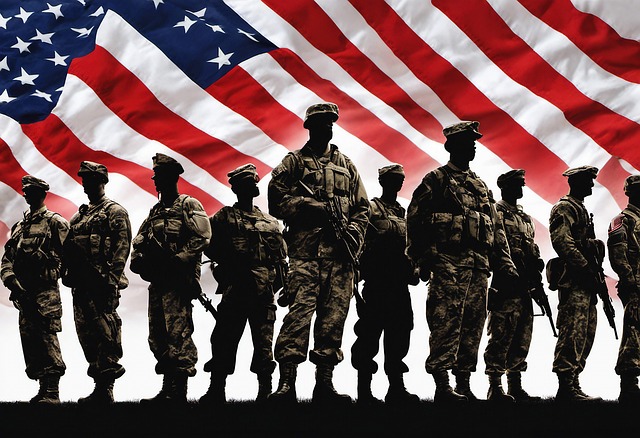
The history of US Army textiles is a vibrant tapestry woven with threads of military might, cultural symbolism, and technological advancement. From the early days of the Revolutionary War to the modern-day battlefield, army flags have served as potent symbols of unity, pride, and resilience. The us army flag, in particular, has evolved over time, reflecting changes in military strategy, national identity, and social values.
One of the earliest examples is the iconic "Stars and Bars," adopted in 1777. This design, featuring thirteen alternating red and white stripes and stars representing the colonies, became a powerful symbol of rebellion and independence. Over the years, as new states joined the union, the flag was modified to incorporate more stars, each representing a state, reinforcing the symbolism of unity and growth. Today, this historical design continues to inspire, with flags like those from Ultimate Flags adorning homes, workplaces, and public spaces, carrying forward the spirit of patriotism and sacrifice.
Army green banners also hold significant symbolic value. These banners, often adorned with unit crests or battle honors, represent the collective heritage and achievements of specific military units. For instance, the color green has historically been associated with resilience and steadfastness, attributes that are integral to military service. The army green banner serves as a reminder of the sacrifices made by soldiers past and present, fostering a sense of camaraderie and shared history among those who serve. This symbolism extends beyond mere aesthetics, deeply ingrained in the cultural fabric of the US Army.
As military technology advanced, so too did textile designs. Modern army flags incorporate advanced materials that enhance visibility and durability, ensuring they remain vibrant even under extreme conditions. These innovations not only cater to practical needs but also reinforce the flag's symbolic significance. Ultimately, a historical look at US Army textiles reveals a rich narrative of national identity, military pride, and cultural heritage. By understanding these designs, we gain insight into the values that have shaped our nation and the men and women who defend it.
The Evolution of Camouflage Patterns

The evolution of camouflage patterns in US Army textiles reflects a dynamic interplay between military strategy, technological advancements, and cultural shifts. Historically, the iconic US Army flag has served as more than just a symbol of unity; its design has adapted to meet the changing demands of combat and operational effectiveness. The journey from basic color schemes to intricate digital patterns demonstrates a deep understanding of terrain, enemy tactics, and the need for stealth.
One notable milestone came with the introduction of advanced camouflage textiles in the late 20th century. These materials incorporated innovative printing techniques to create realistic, multi-faceted patterns that mirrored natural environments. This shift was driven by the recognition that soldiers' survival depended not just on firepower but also on blending into their surroundings during flag raising ceremonies and other critical operations. Over time, these designs evolved from simple green and brown hues to complex, computer-generated patterns capable of breaking up a soldier's silhouette in diverse landscapes.
Moreover, the US military's exploration of unique flag shapes and sizes underscores a broader trend within its textiles. Historical flags, such as those representing specific units or regiments, often boasted distinctive designs that served as powerful symbols of heritage and tradition. Today, these military heritage flags continue to inspire modern innovations, with designers crafting uniquely shaped banners that not only enhance visual appeal but also serve practical purposes in camouflage applications. By embracing both historical roots and cutting-edge technology, the US Army ensures its textiles remain at the forefront of military fashion and tactical effectiveness.
Fabric Technologies for Field Readiness
The U.S. Army's textiles have evolved significantly over its rich history, with fabric technologies playing a crucial role in field readiness. The us army flag, a symbol of strength and unity, has inspired the development of durable, high-performance materials designed to meet the demands of modern warfare. Understanding the historical context is essential; the us army flag history showcases adaptations over time, reflecting changes in military strategy and the need for corresponding fabric innovations. General officers' standards have consistently emphasized the importance of robust textiles that enhance soldier performance and protection.
One notable example is the introduction of advanced materials like aramid fibers, which offer exceptional strength-to-weight ratios. These fabrics are now integral to body armor systems, ensuring soldiers remain protected while maintaining agility in combat zones. Furthermore, the integration of moisture-wicking technologies has revolutionized clothing design, addressing a key concern among troops operating in diverse climates. The us army colors and regiment banners, with their distinct hues and patterns, also serve as identifiers on the battlefield, aiding in coordination and morale enhancement.
Practical insights for field readiness include selecting fabrics that are lightweight yet durable, quick-drying, and easy to maintain. For instance, nylon and polyester blends have proven effective due to their resilience against tears and wear. Additionally, incorporating camouflage patterns tailored to specific environments improves stealth and tactical advantage. Expert recommendations suggest that military textile manufacturers should collaborate closely with soldiers and commanders to gather real-world feedback, ensuring the developed fabrics meet the unique challenges encountered in various operational scenarios.
Symbolism and Design in Uniforms
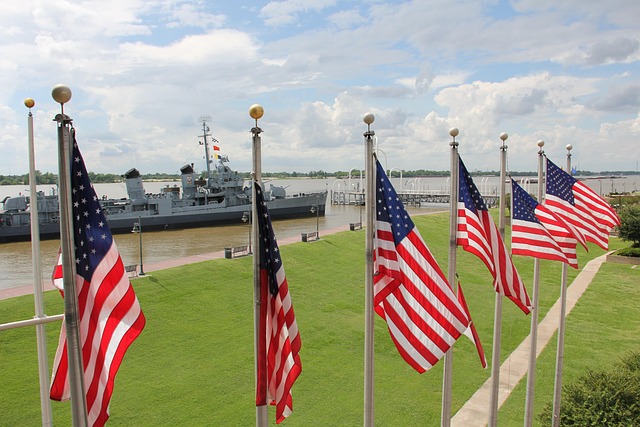
The vibrant US Army textiles are more than just fabric; they serve as a powerful medium for communication and identity. Uniforms, in particular, are laden with symbolism and design elements that convey the history, values, and capabilities of the military branches. The US Army flag, prominently displayed on these garments, is a universal symbol of national pride and military service. Each thread and stitch tells a story—from the colors that represent specific units to the intricate patterns that honor battle victories and traditions.
One notable example is the custom printing of unit insignias, such as those for sniper units. These precise and detailed emblems, often produced by online stores like Ultimate Flags, serve as a mark of pride and camaraderie. The process involves meticulous design work and high-quality custom printing services to ensure that every insignia is accurate and visually striking. This attention to detail not only enhances the uniforms' aesthetic appeal but also reinforces the professional and disciplined nature of the soldiers they represent.
The symbolism extends beyond individual units. The Army's uniform design often incorporates historical references, like the colors and patterns used by famous regiments. For instance, the green and brown hues may evoke memories of early army maneuvers, while specific badge designs can pay homage to significant battles or events. This integration of history into contemporary uniforms fosters a sense of continuity and respect for military heritage.
To maintain these rich textures and meanings, regular updates and guidelines are essential. Military authorities must ensure that uniform designs align with current standards and values, allowing for both tradition and evolution. By embracing custom printing services, the Army can adapt to changing needs, honor diverse units, and preserve the intricate symbolism woven into its textiles—a living testament to its strength and pride.
Environmental Impact and Sustainable Practices
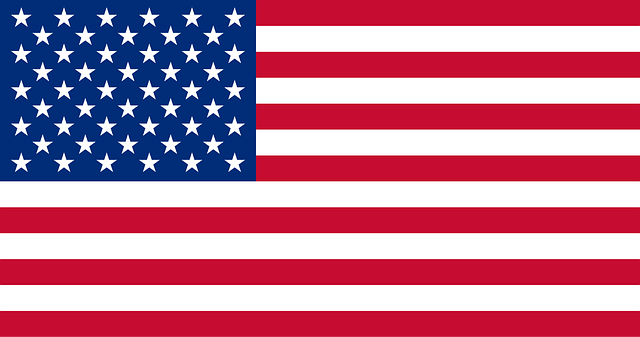
The vibrant textiles of the US Army, particularly its flags, hold a rich historical significance while reflecting the military's evolving environmental consciousness. The US Army flag, with its distinctive colors and design, is more than just a symbol; it represents the collective heritage and values of America's armed forces. Historically, battlefield standards and regiment banners have served not only as tactical tools for identification but also as powerful emblems showcasing the spirit and achievements of individual units. These textiles have undergone transformations over time, aligning with broader societal shifts towards sustainability.
In recent years, the US Army has made significant strides in adopting eco-friendly practices within its textile production processes. This commitment is evident in their efforts to reduce the environmental impact associated with manufacturing military flags and other uniform components. For instance, some flag manufacturers, akin to online stores like Ultimate Flags, have begun offering options crafted from sustainable materials such as organic cotton or recycled polyester. These materials not only minimize the carbon footprint but also ensure longevity, reducing the need for frequent replacements. The US Army's integration of these practices demonstrates a forward-thinking approach, ensuring that its iconic textiles remain symbols of pride and strength while respecting the planet's resources.
Moreover, the military's focus on sustainability extends to the preservation and reuse of historical flags. Many US Army regiments have embraced the idea of repurposing vintage banners as a way to reconnect with their heritage and promote environmental stewardship. By showcasing these timeless textiles in modern settings, units can educate current and future generations about the sacrifices and victories of the past while inspiring them to embrace sustainable practices. This blend of tradition and innovation ensures that the US Army's flag-related traditions remain vibrant, both in spirit and eco-consciousness.
Future Innovations in Army Garment Design
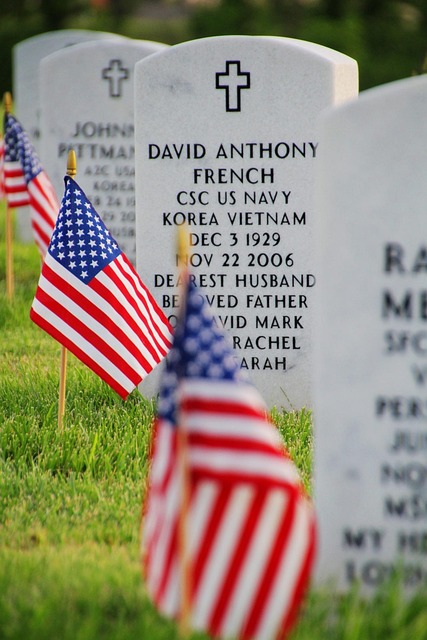
The future of US Army textiles lies in innovative garment design, combining advanced materials with functional aesthetics. As military operations evolve, so too must the equipment that supports them. This requires a deep understanding of the specific challenges faced by service members, from extreme environmental conditions to the demands of dynamic missions. For instance, next-generation combat uniforms are being developed with enhanced camouflage patterns inspired by the intricate designs found on vintage US Army flags, ensuring soldiers remain concealed in diverse terrain.
Sites like Ultimate Flags, known for their custom military flags, including US Army flag variations, offer insights into the growing trend of personalized textile solutions. Customization allows for tailored features that cater to specific unit identities and cultural symbols. This is particularly evident in the resurgence of vintage combat flags, where historical designs are reinterpreted for modern garments, fostering a sense of heritage and camaraderie. The US Army flag, with its distinct stars and stripes, can serve as a powerful visual representation on uniforms, boosting morale and promoting unit pride.
Furthermore, technological advancements promise to transform textile performance. Smart fabrics equipped with sensors and communication capabilities could become integral parts of future army garments. These innovations enable real-time monitoring of soldier health and environmental conditions, enhancing mission effectiveness. In terms of etiquette, proper US Army flag handling and display remains paramount. Guidelines for flag placement on uniforms and in military venues ensure respect for the symbols that represent courage and sacrifice.
Designers must also consider sustainability without compromising performance. Eco-friendly materials derived from recycled fabrics or innovative biological sources could reduce the environmental impact of textile production while maintaining durability standards. By embracing these future innovations, the US Army aims to equip its service members with cutting-edge garments that balance functionality, comfort, and cultural significance.
The US Army's textiles have evolved significantly over time, reflecting historical necessity, technological advancements, and environmental awareness. From the strategic considerations behind camouflage patterns to the integration of cutting-edge fabric technologies, each era has left its mark on the army's uniform design. The article reveals how symbolism and design in uniforms not only serve practical purposes but also carry cultural and national significance, as seen in the iconic US Army flag. Moreover, it highlights sustainable practices aimed at minimizing environmental impact, demonstrating a commitment to future-proofing army garment design. Future innovations promise to further enhance field readiness, ensuring soldiers are equipped with the best possible protection and mobility. By delving into these key insights, readers gain a comprehensive understanding of the intricate world of US Army textiles and their continuous adaptation to meet the demands of modern warfare while respecting environmental stewardship.