The US Army flag and related textiles embody military tradition, innovation, and heritage. Custom printing services preserve this legacy. The flag's design reflects American history and craftsmanship, while its symbolism conveys core values. Modern Army textiles incorporate advanced synthetic fibers for enhanced functionality and sustainability, paying tribute to their rich past. Proper display methods and eco-friendly alternatives honor the US Army flag's significance while minimizing environmental impact.
The United States Army, a pillar of national defense, has long relied on distinctive textiles to convey identity and purpose. From uniforms to flags, these fabrics serve as powerful symbols of military might and heritage. However, keeping pace with evolving technologies and design trends presents a challenge. The US Army flag, a revered symbol of unity and patriotism, deserves textiles that do it justice while remaining durable and representative. This article delves into the vibrant world of US Army textiles, exploring innovative solutions to enhance the production of flags and uniforms, ensuring our armed forces maintain both aesthetics and functionality on the global stage.
- Exploring US Army Textiles: History and Heritage
- The Artistry of US Army Flag Design
- Modern Innovations in Army Uniform Fabric
- Sustaining Tradition: Environmental Considerations
Exploring US Army Textiles: History and Heritage
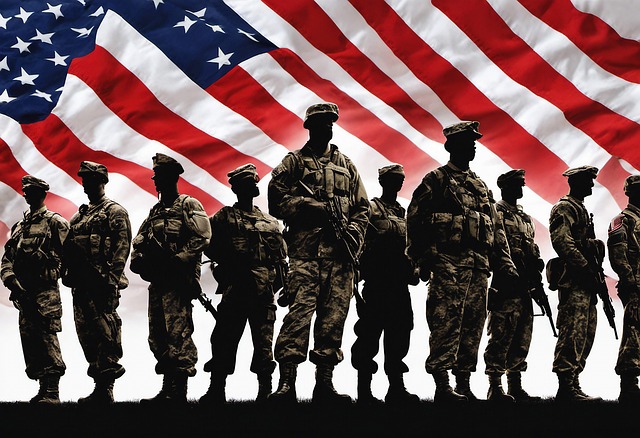
The history of US Army textiles is a vibrant tapestry woven with threads of military tradition, innovation, and cultural heritage. From the iconic US Army Flag to specialized insignia, each textile tells a story of service, sacrifice, and pride. The development of these flags and insignias reflects the evolving nature of the US Army, reflecting not only changes in technology and tactics but also shifts in societal values and symbolism.
For example, the history of the parachute regiment's paratrooper flag is deeply intertwined with the unit's own heritage. These flags, prominently featuring a parachutist's silhouette, originated as a means of identification for troops during airborne operations. Over time, they have become powerful symbols of courage and precision, adorning not only uniform patches but also personal items and decorations in homes across the nation. Similarly, sniper units have their unique insignias, subtly incorporating elements that signify stealth, accuracy, and deadly effectiveness—a far cry from the grand designs of traditional military flags yet equally significant in conveying unit pride and accomplishment.
Custom printing services play a vital role in preserving this rich heritage. Today, soldiers and veterans alike can honor their service through personalized items, such as flag displays or uniform patches, featuring these historical textiles. By incorporating elements like US Army command flags from various eras, custom printers allow individuals to showcase not just their unit affiliation but also their connection to the broader military history and tradition. This practice ensures that the stories woven into these textiles continue to be told, fostering a sense of community among those who have served or are inspired by the US Army's legacy.
The Artistry of US Army Flag Design
The US Army flag is more than a symbol; it embodies the history, pride, and artistry of America's military might. At the heart of this visual identity lies the intricate design process behind its creation, showcasing a rich tradition of artistic expression. The flag serves as a powerful testament to the nation's defense, reflecting years of evolution and cultural influences. One aspect that sets the US Army flag apart is the remarkable craftsmanship evident in its design, particularly when compared to similar flags from the world war II era. Online shops like Ultimate Flags offer a vast array of hand-painted flags, each meticulously crafted to capture the essence of this iconic symbol.
The artistry involved in creating these flags transcends simple coloration and emblem placement. Skilled artisans employ a range of techniques to ensure accuracy and vibrancy. For instance, hand-painting allows for intricate details that machine-made flags may lack. This traditional method is particularly prominent in high-quality reproductions of vintage designs, such as those from the WWII era, where each flag was a labor of love, reflecting the dedication of our soldiers and their unwavering spirit. These vintage flags have become collector's items, sought after by enthusiasts who appreciate the historical significance and artistic value they represent.
When considering the design process, it is crucial to recognize the symbolism embedded within the flag's aesthetics. Every element, from stripes to stars, conveys a specific message, reflecting the Army's core values and history. This level of detail and thoughtfulness sets apart the US Army flag from generic textile designs. By studying these flags, we gain a deeper understanding of our military heritage and the sacrifices made by those who wore the uniform. Ultimately, the artistry behind the US Army flag serves as a powerful reminder of our nation's strength and unity, inspiring pride and respect among all who behold it.
Modern Innovations in Army Uniform Fabric
The United States Army's textiles have long been a symbol of strength and pride, evolving with technological advancements and the changing needs of modern warfare. In recent years, there has been a significant focus on innovating uniform fabrics to enhance soldier comfort, durability, and tactical effectiveness. These modern innovations not only cater to the practical requirements of the battlefield but also serve as a means of honoring the rich history and traditions of the US Army, exemplified by iconic symbols like the US Army flag.
One notable development is the introduction of advanced synthetic fibers that offer superior performance compared to traditional cotton or wool. These materials are designed to be lightweight, quick-drying, and resistant to abrasions, making them ideal for active duty soldiers. For instance, some modern uniforms incorporate a blend of high-tech polyester and spandex, allowing for exceptional flexibility and comfort during intense physical activities. Moreover, these fabrics can be easily washed and maintained, ensuring soldiers stay presentable and confident in their appearance even under the most challenging conditions. The integration of such innovations mirrors the Army's commitment to keeping its personnel equipped with cutting-edge technology, a far cry from the traditional wool uniforms of yesteryears.
In addition to fabric composition, designers have also been exploring innovative ways to incorporate tactical features directly into the uniform fabric. This includes the subtle yet effective integration of camo patterns, which not only provide stealth but also serve as a visual link to the Army's operational heritage. Furthermore, researchers are investigating the potential of incorporating advanced materials that can dissipate body heat, ensuring soldiers remain cool and composed during high-stress missions. These ongoing advancements in US Army textiles reflect a holistic approach to enhancing soldier performance and well-being, reminiscent of how memorial service flags honor the sacrifices of veterans past and present.
To foster a sense of unity and respect for military heritage, some units have adopted unique flag patches that are worn on uniforms. These patches often depict various aspects of military history, such as notable battles or veteran organizations, adding a personal touch to the soldier's story. For instance, the Veterans Memorial Banner, featuring an intricate design of flags from different eras, can be proudly displayed on uniforms, serving as both a decorative element and a testament to the collective strength and resilience of US Army veterans. By embracing these modern innovations in uniform fabrics, the Army not only ensures operational readiness but also pays homage to its rich tapestry of history and tradition.
Sustaining Tradition: Environmental Considerations
The vibrant textiles of the US Army, including its iconic flags, have long been a symbol of strength, unity, and tradition within the military community. However, as the world becomes more conscious of environmental sustainability, it's crucial to explore how these cherished regalia can be both proudly displayed and responsibly maintained. The US Army flag, often flown with honor, is not just a piece of fabric; it represents the history, values, and spirit of the nation's armed forces. Therefore, ensuring its longevity while minimizing environmental impact becomes a significant consideration.
Displaying military flags properly is an art that requires respect and understanding. When showcasing the US Army flag or antique army regalia, using natural fabrics for display purposes can significantly reduce environmental strain. For instance, cotton or linen fabrics are ideal for displaying flags due to their breathability and durability. Additionally, veterans often appreciate the sentiment behind flag patches, which can be a meaningful way to honor their service while adhering to sustainable practices. Many organizations now offer eco-friendly flag patches, allowing individuals to pay tribute to their fellow veterans with a conscience.
One innovative approach is to recycle and upcycle old army textiles into new products. This not only extends the life of these materials but also sends a powerful message about sustainability. For example, converting vintage military blankets into cozy throws or transforming surplus uniforms into artistic quilts can be both ecologically friendly and culturally significant. As the demand for sustainable practices grows, so does the potential for creative solutions in textile care and display, ensuring that the rich history of US Army textiles continues to be celebrated while respecting our planet's resources.
The exploration of US Army textiles reveals a rich tapestry of history, artistry, and innovation. From the symbolic significance of the US Army flag, designed with meticulous attention to detail, to modern fabric advancements prioritizing comfort and durability, this article has illuminated key aspects shaping military uniform standards. Furthermore, environmental considerations highlight the Army's commitment to sustaining tradition while minimizing impact. By understanding these elements, we gain valuable insights into not only the practical applications of textiles but also their role in fostering pride, heritage, and adaptability within the US Army. This knowledge serves as a foundation for future developments, encouraging professionals to embrace both historical legacy and cutting-edge technologies in textile design for military purposes.