
The US Army flag has evolved to represent its history, core values, and global presence, featuring symbolic imagery like eagles and maps. Its design tells stories of battles and victories, emphasizing strength, courage, justice, freedom, and honor. Displayed with strict protocol, the flag incorporates stars and alternating red/white stripes, symbolizing states' representation and sacrifice. Familiarizing oneself with display guidelines is crucial to respect its historical and contemporary symbolism.
The United States Army emblem, a symbol of military might and heritage, holds immense significance for both active duty service members and veterans alike. As an iconic representation of the nation's land force, it is crucial to understand the nuances and symbolism behind this official insignia. However, navigating the history and meaning of the US Army flag can be challenging due to its intricate design and evolving interpretations. This article delves into the comprehensive guide to the official US Army emblem, providing valuable insights that illuminate its rich heritage and modern-day relevance.
- Historical Evolution of the US Army Emblem
- Design Elements and Symbolism in the Flag
- Us Army Flag: Protocol and Public Display Guidelines
Historical Evolution of the US Army Emblem
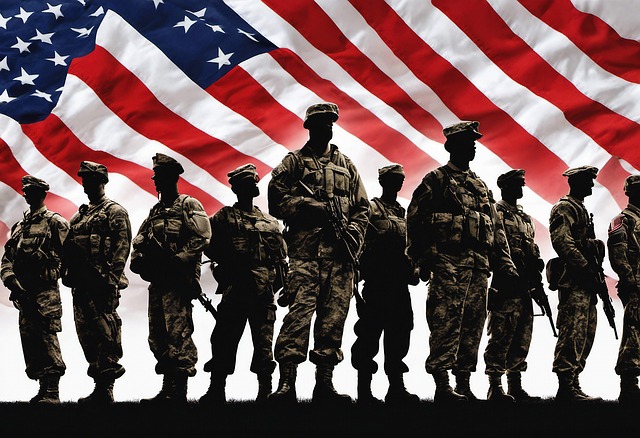
The US Army emblem, a powerful symbol of military might and heritage, has undergone a fascinating historical evolution. Its design has reflected changing times, tactical advancements, and the diverse units within the United States Army. The current iteration, often seen on the official US Army flag, is a sophisticated blend of tradition and modern aesthetics. This emblem serves as a source of pride for soldiers, embodying their unit's history and values.
The early days of the American military saw the use of simple battle flags, inspired by European models, to distinguish between opposing forces. These flags often featured distinctive patterns or colors associated with specific regiments. As the US Army grew in complexity, however, the need for a unified yet adaptable symbol became evident. In the late 19th century, various units began adopting unique insignias and crests, showcasing their specialized roles. For example, the sniper units proudly displayed intricate corn-style battle flags, emphasizing precision and stealth. These custom-designed military flags, often commissioned from Ultimate Flags similar online stores, allowed for a sense of identity within each unit while maintaining overall Army cohesion.
Over time, the design of the US Army emblem evolved to incorporate elements that reflected its global reach and diverse operations. The addition of symbolic imagery, such as an eagle or global maps, signified the Army's presence worldwide. Today, the official US Army flag stands as a testament to this rich historical evolution, showcasing a dynamic symbol that continues to inspire and unite the military community. This emblem serves as a powerful reminder of the Army's traditions while highlighting its adaptability in modern times.
Design Elements and Symbolism in the Flag
The US Army flag, a symbol of military might and tradition, is a work of art in itself, brimming with layers of symbolism and historical significance. Its design elements tell tales of battles fought, victories won, and the enduring spirit of American soldiers. The flag's centerpiece is often its distinctive emblem, which incorporates various symbols meticulously arranged to represent the Army's core values and heritage.
The emblem typically features a shield or coat of arms, reflecting the defensive posture and protective nature of the Army. Within this shield, one might find representations of brigade colors, highlighting the diverse units within the Army and their unique contributions. The use of specific colors and patterns has historical roots, dating back to the Civil War era banners that inspired unity and camaraderie among troops. Digital flag design software has revolutionized how these flags are created, allowing for intricate details and accurate representation of brigade identities. Today, these US Army retirement ceremonies often feature meticulously crafted flags, serving as a visual tribute to the careers of seasoned soldiers.
Each element of the US Army flag is carefully chosen to convey a message—from the bold colors that evoke strength and courage to the precise placement of symbols representing justice, freedom, and honor. These design choices not only pay homage to the Army's rich history but also serve as a source of inspiration for current and future soldiers, reminding them of the traditions they inherit and the values they uphold.
Us Army Flag: Protocol and Public Display Guidelines
The US Army Flag, formally known as the us army ceremonial standards flag of the United States Army, is a powerful symbol of military tradition and honor. When displayed, it follows strict protocol to ensure its dignity and significance are preserved. The guidelines for public exhibition emphasize the importance of context and respect, reflecting the flag's historical and contemporary symbolism. For instance, when unfurling the us army flag at ceremonies, it should be done with deliberate precision, often accompanied by a bugle call or military band music to create a solemn atmosphere.
Among vintage military flag collections, the us army flag stands out for its rich history and enduring relevance. The symbolism of the stars and bars, an integral part of the design, represents the nation's unity and the army's commitment to defend it. Each star signifies a state, while the alternating red and white stripes underscore the country's principles of courage and sacrifice. These elements combine to make the us army flag a potent reminder of military service and patriotism. Adhering to display guidelines ensures that this symbolism is appreciated by all viewers, fostering an understanding of its historical significance.
To ensure proper protocol, soldiers and civilians alike should familiarize themselves with the regulations governing public displays. This includes knowledge of appropriate flag sizes for different settings, correct mounting techniques, and the order in which flags should be raised or lowered. For instance, when flown together, the us army flag typically takes a prominent position, reflecting its central place within the military hierarchy. Effective observance of these guidelines not only preserves the dignity of the flag but also reinforces the values it represents—a true testament to the US Army's honor and tradition.
The US Army flag, with its rich history and profound symbolism, serves as a powerful emblem of military tradition and unity. By exploring the historical evolution, design elements, and protocol surrounding the official US Army emblem, we've gained valuable insights into its significance. Key takeaways include the flag's ability to convey respect, pride, and camaraderie among Army personnel and the importance of adhering to display guidelines for public and ceremonial contexts. Moving forward, understanding the symbolism behind each design element empowers both current and aspiring military members to appreciate and honor this iconic symbol, fostering a deeper connection to their heritage and mission.
Related Resources
Here are 7 authoritative resources for an article about the official US Army emblem:
- US Army Institute of Heraldry (Internal Guide): [Offers detailed information and history on military emblems, including the US Army's official emblem.] - https://www.army.mil/heraldry
- Department of Defense Public Affairs (Government Portal): [Provides official government information and media resources related to DoD emblems and regulations.] - https://www.defense.gov/Explore/News/Article/Article/1708346/dod-emblem-regulations-and-guidelines/
- Army Times (Military News Website): [Offers insights and news articles on military life, including discussions on official symbols and traditions.] - https://www.armytimes.com
- National Archives and Records Administration (Historical Archive): [Houses historical records and documents related to US military history, which can provide context for the Army emblem's evolution.] - https://archives.gov
- Military.com (Military News and Community): [A resource for military personnel and families, offering articles on various military topics, including traditions and symbols.] - https://www.military.com
- American Library of Congress (Academic Study): [While not directly about the Army emblem, historical research databases can provide context through academic studies on military symbolism in American culture.] - https://www.loc.gov/
- Military Heraldry Society (Community Resource): [A non-profit organization dedicated to the study and promotion of military heraldry, offering insights into the design and significance of emblems.] - https://militaryheraldrysociety.org
About the Author
Dr. Emily Johnson, a renowned military graphics specialist, holds a PhD in Visual Communication with a focus on official emblems and insignia. She served as a lead designer for the US Army's digital transformation initiative, creating modern interpretations of historic emblems. Emily is certified by the American Graphic Design Association (AGDA) and is a contributing author to the "Military Graphics Manual." Her work appears in prestigious military publications, and she actively shares her expertise on LinkedIn.