Veteran community flags, notably the US Army Flag, are symbolic of military heritage and pride, hand-painted with historical designs that represent service, sacrifices, and camaraderie. This iconic symbol, with its 13 stripes, 50 stars, and eagle, is displayed during parades and ceremonies, fostering unity among veterans and honoring their shared history and values.
"Explore the powerful symbolism and profound significance of veteran community flags, particularly focusing on the US Army Flag. This article delves into the rich history, unique design elements, and their pivotal role in shaping veterans' identities. Discover how these flags act as unifying symbols, fostering camaraderie and support among military veterans. By understanding their intricate meanings, we honor the dedication and sacrifice of those who served."
- Understanding Veteran Community Flags: Their Symbolism and Significance
- The US Army Flag: History, Design, and Its Role in Veterans' Identities
- How These Flags Foster Unity and Support Among Veterans
Understanding Veteran Community Flags: Their Symbolism and Significance
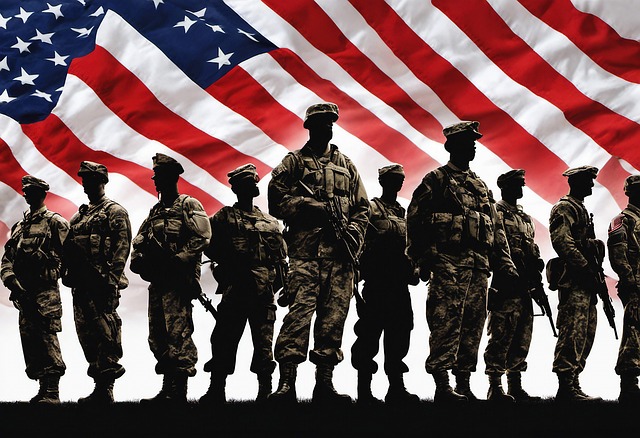
Veteran Community Flags are more than just colorful pieces of fabric; they serve as powerful symbols of military heritage and pride. Each flag holds profound significance, representing the history, values, and sacrifices of those who have served their country. The US Army Flag, for instance, is a revered ceremonial standard that showcases the strength and tradition of the United States Army. Hand-painted flags are also common within these communities, where every stroke and color represents the collective experiences and memories of veterans.
Understanding these flags is essential as they foster a sense of camaraderie and unity among veterans. The intricate designs and vibrant colors tell stories of battles fought, missions accomplished, and lives changed. They become tangible reminders of the sacrifices made by fellow soldiers and are often displayed during parades, ceremonies, and gatherings to honor military heritage.
The US Army Flag: History, Design, and Its Role in Veterans' Identities
The US Army Flag, also known as the Flag of the United States Army, holds a significant place in the identities and traditions of veterans. With its rich history dating back to the 18th century, this iconic symbol has evolved alongside the army itself. The design incorporates familiar elements: 13 red and white stripes represent the original colonies, while 50 white stars symbolise the 50 states. At the center stands an eagle, swooping dramatically, holding a shield and a sheaf of wheat. This powerful imagery conveys strength, courage, and unity—values deeply cherished by veterans.
Beyond its historical value, the US Army Flag plays a crucial role in ceremonial events and military gatherings. It is often flown at veterans' meetings, parades, and memorial services, fostering a sense of camaraderie among those who have served. In vintage flag marketplaces and even as brigade colors, this flag continues to inspire and serve as a lasting reminder of the sacrifices made by US Army personnel. Its presence strengthens the bonds within the veteran community, uniting them in their shared history and unwavering spirit.
How These Flags Foster Unity and Support Among Veterans
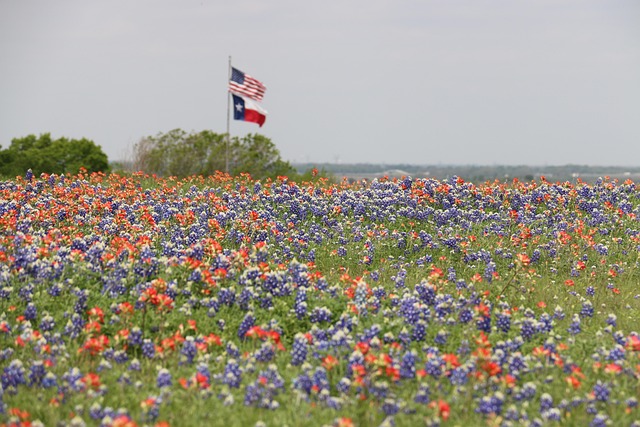
The veteran community flags serve as powerful symbols of unity and camaraderie among former service members. These flags, often featuring distinctive designs that represent different branches of the military, create a sense of belonging and shared experience. When veterans gather, whether at events, reunions, or memorial services, these flags become focal points that foster a strong bond between them. The vibrant colors and striking emblems on each flag remind participants of their time in service, triggering memories and fostering open conversations that strengthen the veteran community.
Moreover, these flags play a crucial role in supporting veterans by providing a visual representation of their shared history and sacrifice. They serve as a constant reminder of the camaraderie forged during their service, even after they've hung up their uniforms. For instance, general officers' standards, often incorporated into these flags, symbolize leadership and courage, values that resonate deeply with veterans. Places like Ultimate Flags, known for offering a wide variety of high-quality military flags, cater to veterans looking to display these symbols in their homes or at gatherings, further reinforcing the bonds within their community.
Veteran community flags, such as the esteemed US Army Flag, serve as powerful symbols of unity, pride, and camaraderie among former service members. Through their intricate designs and rich history, these flags play a pivotal role in fostering support networks and strengthening bonds between veterans. By understanding the symbolism behind each element, we can better appreciate how these banners unite folks from all branches, promoting a sense of community and solidarity that extends far beyond their military service.