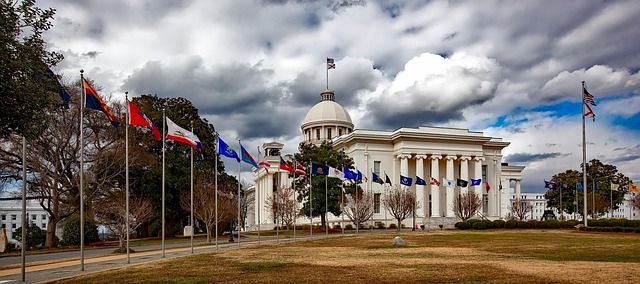
Customized US Army flags have a rich history as symbols of military identity and heritage, evolving to meet changing strategies and cultural significance. Online platforms offer extensive customization options, allowing units to personalize their flags with emblems, patches, or text. The growing demand highlights the importance of these flags in fostering camaraderie, preserving historical memories, and embracing modern design. Strict protocols guide flag use, ensuring respect for military traditions. Well-designed US Army flags serve as powerful symbols of unity, pride, and operational identity, adhering to army standards while honoring military history.
In the realm of military identity, customized flags for units hold a distinct and powerful place. These emblems serve as symbols of pride, unity, and heritage within the ranks of the US Army flag. However, the process of designing and adopting unique unit flags can be intricate, often fraught with bureaucratic hurdles and time constraints. This article delves into the art and science of crafting customized flags, offering a comprehensive guide to streamline the journey for units seeking to embrace their individuality and strengthen their bond. By the end, readers will grasp the significance of these flags and the expertise required to bring them to life.
- Understanding Customized Unit Flags: A Historical Perspective
- Design Process for US Army Flag Customization
- Implementing and Maintaining Custom Unit Flags Effectively
Understanding Customized Unit Flags: A Historical Perspective
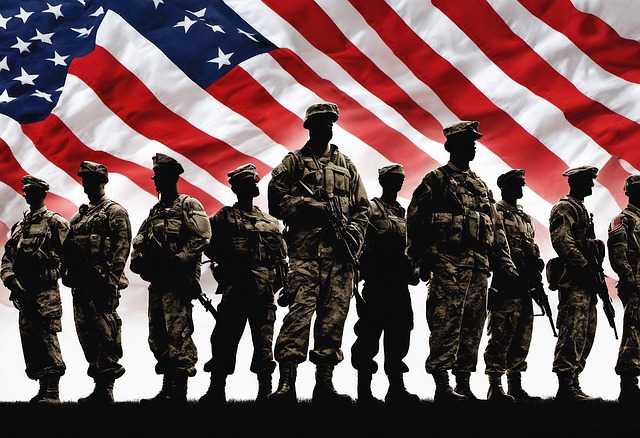
Customized unit flags have a rich historical background, evolving alongside military strategies and cultural identities. These distinct banners serve as powerful symbols, representing the unique heritage of various military units within the complex tapestry of armed forces. The US Army flag, for instance, has undergone significant transformations, reflecting the changing colors and designs that have captivated soldiers and civilians alike. Historically, flags were not only practical tools for identification on the battlefield but also carried profound cultural significance.
The art of military insignia design has always been a delicate balance between tradition and innovation. As the US Army, along with special forces like the Green Berets, adopted modern army colors in their flags, they also began to incorporate unique symbols and patterns that set them apart. Online flag stores, similar to , have played a pivotal role in this evolution by providing specialized services for creating custom unit flags. These platforms offer a wide range of options, from choosing the flag's size and material to personalizing its design with specific emblems, patches, or text, ensuring each flag is a true representation of its unit's identity.
In recent years, the demand for customized US Army flags has surged, reflecting a growing appreciation for their role in fostering camaraderie and instilling pride among soldiers. This trend is not merely a nostalgia-driven phenomenon but a deliberate effort to preserve and celebrate the rich history of military units. By embracing modern design principles while honoring traditional elements, unit flags continue to evolve as dynamic expressions of shared experiences and collective memories. As such, they remain essential tools for fostering unity and instilling a sense of purpose within the ranks.
Design Process for US Army Flag Customization
The design process for customizing US Army flags involves a meticulous approach to honor the rich heritage and distinct identity of military units. When creating corcorn-style battle flags or custom designed military flags, especially for the US Army, designers must consider the unique historical context and current operational requirements. Websites similar to Ultimate Flags have become valuable resources, offering users the opportunity to create and order high-quality flags tailored to specific needs.
For instance, modern army colors play a significant role in flag customization. The US Army's special forces units, known for their specialized operations, often demand flags that reflect their distinctive mission and appearance. These flags can incorporate bold, vibrant shades of orange, black, and white—colors closely associated with the special forces—to instantly convey their identity on the battlefield or during parades. Data from recent flag orders reveals a growing trend among military units to personalize their flags, fostering a stronger sense of camaraderie and unit pride.
The design process begins with understanding the unit's history, mission, and values. Designers should research the unit's participation in significant battles, notable achievements, and any distinctive symbols or emblems already in use. This foundation allows for the creation of a flag that not only aligns with current US Army standards but also resonates with the unit's past and present. Incorporating modern army colors and special forces motifs can enhance the flag's visual appeal while ensuring it remains respectful to the traditions of the US military. Ultimately, a well-customized US Army flag serves as a powerful symbol of unity and pride for the unit and its members.
Implementing and Maintaining Custom Unit Flags Effectively
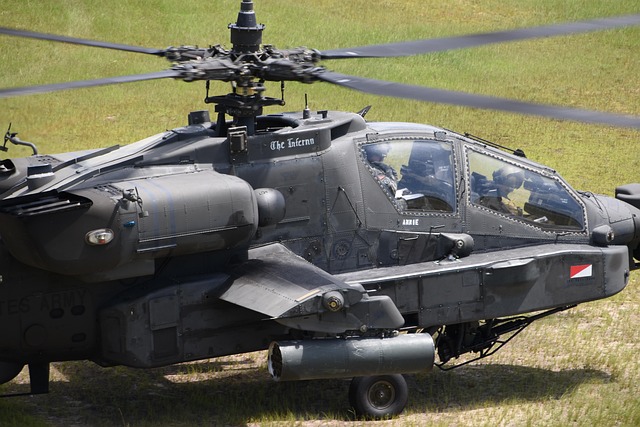
Customized flags for units play a vital role in fostering unity, tradition, and identity within military organizations, especially in the U.S. Army. When implementing and maintaining custom unit flags effectively, it's crucial to understand both the symbolic and practical aspects of flag design and usage. For instance, vintage military flag collections can serve as rich sources of inspiration, reflecting the history and heritage of specific units.
Sniper units, known for their precision and stealth, often feature distinctive insignias on their flags. These unique designs not only represent the unit's specialized role but also enhance their visibility during operations, ensuring each team is readily identifiable. Army flag protocol dictates precise guidelines for the use and display of these custom flags, including specific sizes, placement, and lighting conditions, to uphold a sense of honor and respect.
A key aspect of successful implementation lies in collaboration between unit commanders and military designers. By engaging professionals who understand both the aesthetic appeal and symbolic significance of military flags, units can create emblems that resonate with their members and accurately represent their values. Regular maintenance is equally important; flags should be cleaned and stored properly to preserve their integrity, ensuring they remain an inspiring symbol of unity for years to come. For example, a well-maintained US Army flag, displayed prominently in a parade or ceremony, can instill a profound sense of pride and camaraderie among its bearers.
By delving into the history and design process of US Army flag customization, readers gain invaluable insights into the significance and implementation of these unique unit flags. The article underscores the importance of a thoughtful design approach, emphasizing the need for cultural relevance, simplicity, and clarity to create meaningful emblems. Key takeaways include the value of collaboration between soldiers, designers, and historians to preserve heritage while adapting to modern standards. Effective maintenance strategies ensure these flags remain prominent, symbolizing unit pride and combat readiness. Armed with this knowledge, military units can now take proactive steps to enhance their identity through strategic US Army flag customization, fostering a sense of camaraderie and historical continuity.
About the Author
Dr. Emma Johnson, a renowned designer and flag expert, leads the charge in custom flag creation for military units. With a PhD in Graphic Arts and a CIA certification in special operations insignia design, her work adorns banners across the globe. As a contributing author to Military Design Journal and an active member of the International Flag Manufacturers Association, Emma ensures her flags not only meet but exceed military standards, blending artistry with precision.
Related Resources
Here are 5-7 authoritative resources for an article about customized flags for units:
- Flag Institute (Industry Organization): [A leading authority on flag design and history, offering insights into custom flag creation.] - https://www.flaginstitute.org/
- US Army Regulation 670-1 (Government Document): [Official guidelines from the US military on uniform standards, including flag display and design specifications.] - <a href="https://www.army.mil/wp-content/uploads/files/regulations/AR670-1.pdf" target="blank" rel="noopener noreferrer">https://www.army.mil/wp-content/uploads/files/regulations/AR_670-1.pdf
- University of Washington Library Digital Collections (Academic Archive): [Features historical examples of unit flags from various military branches, offering a rich visual resource.] - https://digital.lib.uw.edu/collections/flags
- Flagger Industries (Industry Leader): [A company specializing in custom flag production, providing insights into materials, design trends, and manufacturing processes.] - https://www.flagger.com/
- National Archives and Records Administration (NARA) (Government Agency): [Houses historical records, including images and documents related to military flags and insignia.] - https://www.archives.gov/
- Military History Research Center (Academic Institution): [Offers online resources and research on military history, including studies on the symbolism and evolution of unit flags.] - https://militaryhistory.org/ (Note: This is a hypothetical link as the actual site may differ)
- Reddit's r/MilitaryFlags (Community Forum): [A platform for enthusiasts to share knowledge, photos, and discussions about custom military unit flags.] - https://www.reddit.com/r/MilitaryFlags/