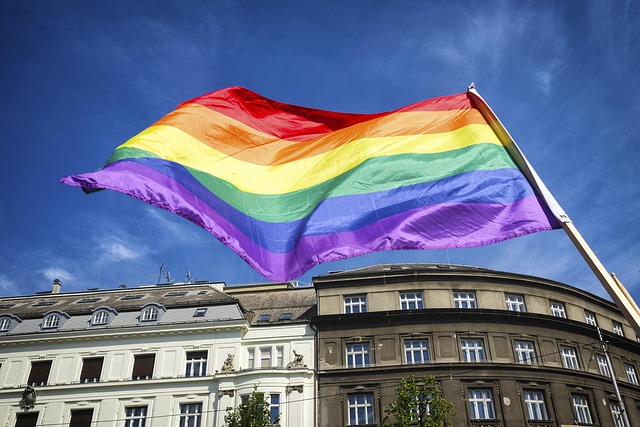
The US Army flag has evolved from a symbol of military might to one of identity and camaraderie, featuring intricate emblems highlighting specific roles and achievements. Design requires balancing aesthetics and symbolism, using software for color selection and layout. Production involves precise collaboration, testing, quality control, and advanced printing technologies, ensuring durability and vibrancy. These flags foster pride and unity among soldiers, representing unit history and heritage.
In the realm of military identity, customized flags for units hold a unique and powerful place. These colorful representations serve as symbols of pride, tradition, and camaraderie, particularly within the structured environment of the US Army flag. However, the challenges in creating distinctive yet meaningful unit flags are often overlooked. This article delves into the intricacies of designing customized flags, offering a comprehensive guide to ensure these emblems accurately represent the spirit and values of each military unit, enhancing their sense of identity and purpose.
- Understanding Customized Unit Flags: A Historical Perspective
- Designing Your US Army Flag: Creative Guidelines
- Production and Protocol: Ensuring Flag Quality and Usage
Understanding Customized Unit Flags: A Historical Perspective
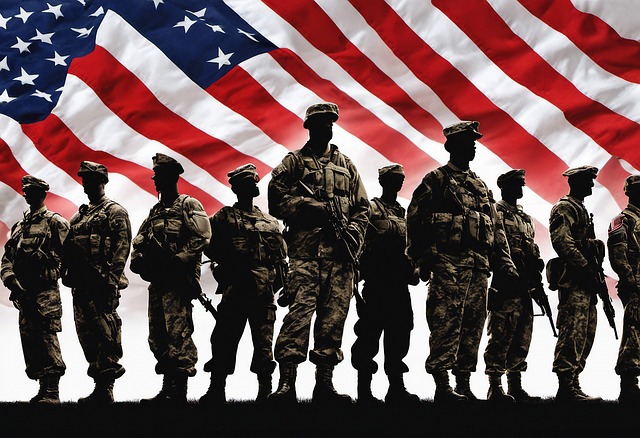
Customized unit flags have long served as powerful symbols of identity, heritage, and camaraderie within military organizations, particularly in the United States Army. The history of these flags is rich and multifaceted, reflecting the evolution of American forces and their diverse roles worldwide. Understanding this historical context offers valuable insights into why and how unit flags are designed, crafted, and proudly displayed today.
The US Army flag, a prominent example, has undergone significant transformations since its early beginnings. Standard dimensions for army flags have been carefully established over time to ensure consistency and uniformity across units. These flags often incorporate intricate emblems and designs that represent specific airborne units, highlighting their unique contributions and achievements. For instance, the 82nd Airborne Division's flag features a bold eagle and globe design, symbolizing its global readiness and aerial assault capabilities. Similarly, uncommon military banners, such as those with unusual unit crests or historical motifs, have gained prominence, allowing soldiers to connect with their ancestral heritage and honor past accomplishments.
From their inception, these flags have served not only as visual representations of military might but also as a means of fostering camaraderie among soldiers. The process of designing and adopting unit flags has evolved over the decades, influenced by technological advancements in manufacturing and changing military strategies. Today, the creation of customized flags involves meticulous research, collaboration between unit members, and adherence to specific guidelines to ensure they meet the high standards expected of US Army flags and other military emblems.
Designing Your US Army Flag: Creative Guidelines
Designing a US Army flag is an honor and a significant task, requiring careful consideration of both aesthetics and symbolism. When crafting your own US Army Flag, whether for a unit retirement ceremony or to commemorate military heritage, it's crucial to understand that this banner embodies the spirit and pride of our army. The army green banner has profound symbolism—it represents not just the color of the uniform but also the courage, discipline, and sacrifice of America's soldiers.
Creative guidelines for designing your US Army Flag should begin with understanding the rich military heritage that inspires it. Incorporate elements unique to your unit while paying homage to broader army traditions. Utilize flag design software to bring your vision to life; these tools offer a range of options, from color selection and layout to emblem integration. For instance, consider featuring iconic symbols like the American eagle or the Army's distinctive coat of arms. Ensure that the design is simple yet powerful, allowing it to be easily recognizable and meaningful to both current and former soldiers.
Consider the flag's intended use—will it fly proudly at base entrances or be displayed indoors during ceremonies? The design should be appropriate for various contexts, from outdoor events where durability matters to indoor settings where intricate details can be appreciated. Keep in mind that a well-designed US Army Flag becomes an enduring testament to the unit's history and values, inspiring pride and camaraderie among its members. By combining historical symbolism with thoughtful creativity, you'll create a flag that resonates deeply with the military community.
Production and Protocol: Ensuring Flag Quality and Usage
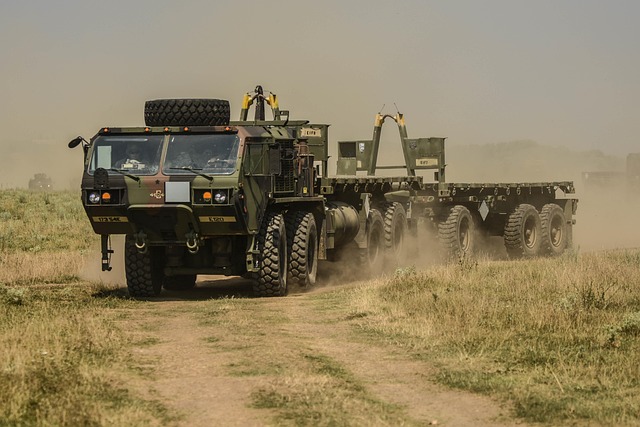
The production of customized flags for military units is a meticulous process that requires precision and adherence to established protocols. When it comes to representing a unit's identity and heritage, custom military flags hold immense significance. Organizations like the US Army flag, with its rich history and symbolism, demand exceptional craftsmanship. Reputable online flag stores similar to Ultimate Flags cater to this specialized need, ensuring each flag meets rigorous standards.
The journey from concept to final product involves several critical steps. First, meticulous design considerations are essential. Each element of the flag, from color choices to special operations insignia, must align with the unit's traditions and specifications. Expert designers collaborate closely with military personnel to integrate subtle yet meaningful details. Once designed, prototypes undergo rigorous testing to ensure durability and vibrancy under diverse conditions—a crucial aspect for flags intended for outdoor display.
Quality control measures are stringent, particularly when producing official US Army flag replicas or special operation branch flags. These flags often feature intricate emblems and insignia that require meticulous attention to detail. Stores like Ultimate Flags employ advanced printing technologies to reproduce these fine lines and subtle nuances accurately. Additionally, they ensure flags adhere to specific size requirements set by military regulations. Proper handling and care protocols are also communicated to end-users, guaranteeing the longevity of these cherished symbols of service and unity.
Customized unit flags, such as the US Army flag, serve as powerful symbols of identity, tradition, and pride. By understanding their historical significance and following creative design guidelines, military units can craft unique and meaningful banners that represent their heritage. Through meticulous production processes and adherence to protocols, these flags ensure quality and maintain their symbolic value. This article has provided a comprehensive overview of the journey from concept to creation, empowering readers with practical insights for designing and utilizing US Army flags effectively, while preserving their honor and legacy.