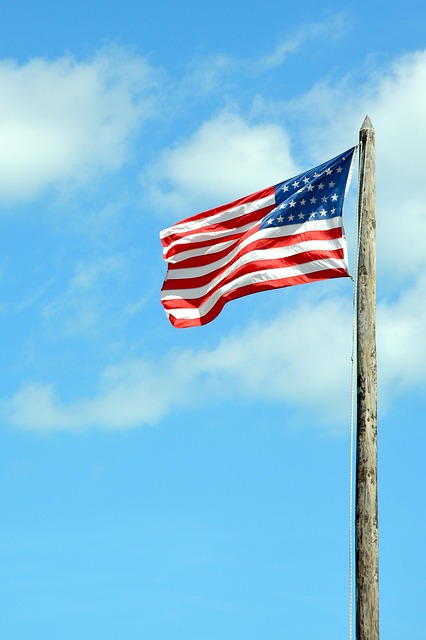
The US Army flag tradition, dating back to early military history, symbolizes heritage and camaraderie. Modern flags incorporate historical elements like crests and battle honors, crafted with meticulous care using traditional techniques. Customization, popular for expressing unit identity, involves careful design considerations including size, color, and emblem placement. Online retailers offer tools for creating personalized flags, which are respectfully displayed during ceremonies and events, honoring the US Army's history and values. Accurate sizing is crucial for preserving official colors and design integrity.
The US Army flag, a symbol of pride and tradition, has long held immense significance for military units and their communities. As an essential component of unit identity and heritage, customized army service flags play a pivotal role in fostering camaraderie and honoring service members' contributions. However, navigating the intricate process of designing and producing these flags can be daunting. This article delves into the art and science of crafting bespoke US Army flags, offering valuable insights for units seeking to preserve their unique history and spirit through this timeless symbol.
- Understanding US Army Flag Customization: A Historical Perspective
- Design Elements: Creating a Unique Service Flag
- The Process: From Concept to Final Production
- Displaying Pride: Usage and Protocol for Army Flags
- Ordering and Sizing Guide: Ensuring Quality Representation
Understanding US Army Flag Customization: A Historical Perspective
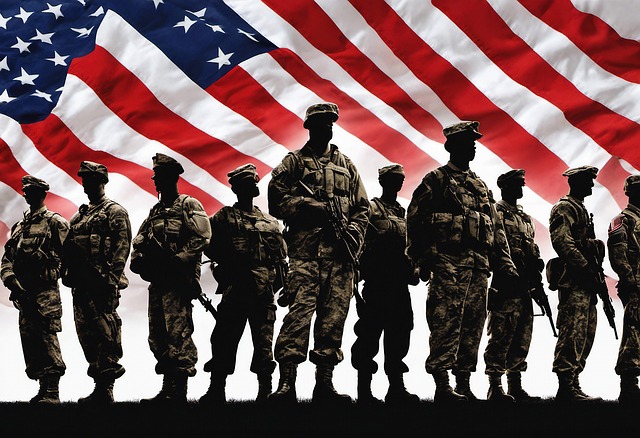
The customization of US Army flags is a rich and storied tradition that traces its roots back to the early days of American military history. From infantry units proudly displaying their distinctive banners to artillery and cavalry flags leading charges on battlefields, these customized emblems have always served as powerful symbols of military heritage and identity. During World War II, for instance, unique unit flags became iconic, with each regiment crafting its own design to instill a sense of camaraderie and purpose among soldiers.
As the United States Army evolved, so too did the art of flag customization. Today, these specialized flags not only represent the diverse branches of the military but also pay homage to specific units, campaigns, and historical events that have shaped the nation's defense. Crafting a US Army flag involves meticulous attention to detail, incorporating elements like unit crests, battle honors, and distinctive colors to tell the story of each regiment. For example, an infantry battalion might feature a flag with an intricate design showcasing their regimental coat of arms, surrounded by symbols representing significant battles fought.
Historical perspective plays a pivotal role in US Army flag customization. Veterans and military historians often collaborate to ensure that flags accurately reflect the unit's place in military history. During World War II era, flags were hand-sewn by local seamstresses who meticulously followed designs submitted by soldiers, preserving these tangible links to the past. Today, while technology has advanced, the same level of care and precision is still maintained. Each US Army flag tells a unique story, serving as a living testament to the sacrifices and victories of those who came before.
Design Elements: Creating a Unique Service Flag
Creating a unique US Army service flag involves careful consideration of design elements to ensure it reflects the pride, history, and values of the unit it represents. Each detail, from color choices to emblem placement, contributes to the flag's overall meaning. For instance, traditional colors like olive green and black often evoke the military's combat heritage, while modern shades can symbolize adaptability and innovation. Brands like have recognized this importance, offering extensive customization options that cater to various unit preferences.
Vintage combat flags, with their distinct styles and historical significance, serve as another source of inspiration. The US Army flag etiquette guidelines encourage units to incorporate these vintage elements into their designs, fostering a connection with military traditions. For example, adding intricate embroidery or incorporating symbols from past campaigns can pay homage to the unit's roots while conveying its contemporary identity. Top stores like Ultimate Flags provide online platforms where soldiers and veterans can easily access these customization features, ensuring that each flag is tailored to the specific needs and stories of their units.
Designing a service flag is not merely about aesthetics; it involves honoring the sacrifices and accomplishments of the men and women who serve. Expert designers at these leading brands understand this responsibility and work closely with unit leaders to capture the essence of their story. By combining historical references, modern elements, and personalized touches, they create flags that stand as powerful symbols of military pride and unity. Ultimately, a well-designed US Army service flag becomes more than a piece of fabric; it becomes a testament to the resilience, honor, and spirit of those who serve their country.
The Process: From Concept to Final Production
The journey from concept to final production of a customized US Army service flag is an intricate process that involves meticulous craftsmanship and attention to detail. It begins with understanding the client's vision, which can range from honoring a specific unit or retirement ceremony to commemorating significant military milestones. Brands like Ultimate Flags play a pivotal role in this transformation, offering specialized services tailored for such unique requirements.
Designing a custom US Army flag requires a blend of artistic flair and technical precision. Flag design software becomes an indispensable tool, allowing designers to create digital prototypes that accurately represent the final product. This technology enables clients to visualize their flag's layout, color schemes, and overall aesthetic appeal before investing in production. For instance, a vintage military flag collection might inspire a customer seeking a retro-themed design, while others opt for modern interpretations incorporating contemporary color palettes.
During production, skilled artisans employ traditional flag-making techniques, ensuring each stitch is precise and durable. High-quality materials, from robust fabrics to vibrant dyes, contribute to the flag's longevity, making it suitable for outdoor display even in harsh weather conditions. When crafting flags for retirement ceremonies, the process demands extra care as these events often carry profound sentimental value. Ultimate Flags, known for their quality, has successfully delivered custom US Army flags for various occasions, ensuring they meet the highest standards of craftsmanship and symbolism.
To ensure client satisfaction, regular communication is key throughout the production phase. Feedback sessions allow adjustments to be made, refining the design until it perfectly aligns with the customer's expectations. This iterative process showcases the expertise involved in creating customized flags, transforming a concept into a tangible symbol of military heritage and pride.
Displaying Pride: Usage and Protocol for Army Flags
The US Army flag, a symbol of pride and heritage, plays a significant role in military ceremonies and events. When it comes to showcasing this emblem, proper display protocols ensure respect and honor are given to those who have served. Customized army service flags have become increasingly popular as a way for units to express their unique identity and history, fostering a sense of community among soldiers. Online flag retailers like Ultimate Flags offer tools that enable troops to design personalized banners, incorporating specific colors, emblems, and text to reflect their unit's story.
During retirement ceremonies, the army green banner holds particular symbolism. It represents the transition from active service to a well-deserved period of rest and reflection. Displaying this flag with care and precision is essential, as it serves as a visual reminder of the soldier's journey and contributions. A well-designed online flag software can assist in creating retirement ceremony decor that highlights the retiree's achievements while adhering to military protocol. For instance, arranging flags in alphabetical order or according to service branch ensures a visually appealing and respectful atmosphere.
Proper usage extends beyond retirement ceremonies. The US Army flag should be proudly displayed during parades, military gatherings, and other official events. It is crucial to follow specific guidelines for size, placement, and retention. For example, when flown with other flags, the army flag should be positioned at the left (viewer's perspective) side of the main flag, indicating its importance in the military hierarchy. This protocol ensures that the flag is given the recognition it deserves and fosters a sense of unity among service members. Ultimately, custom army service flags are a powerful tool to convey pride, honor, and the rich history of our armed forces.
Ordering and Sizing Guide: Ensuring Quality Representation
Ordering a custom US Army service flag is a significant step to honor and celebrate your military heritage. When navigating online retailers like Ultimate Flags, understanding the ordering and sizing guide is crucial to ensuring the flag accurately represents your desired unit. The US Army flag, with its distinct colors and symbolism, holds deep meaning for veterans, their families, and military appreciation event organizers.
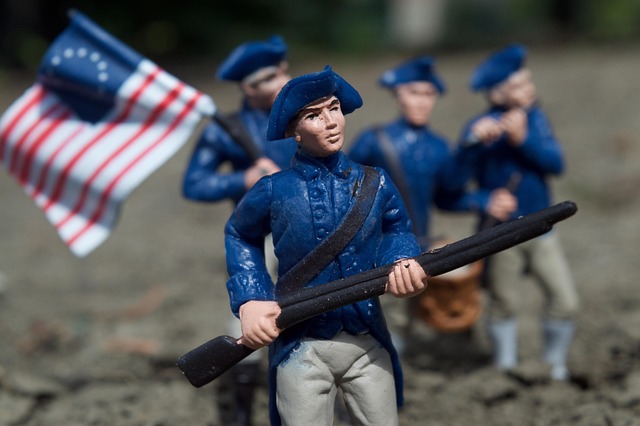
The first step in the process involves selecting the appropriate size based on the display location. For indoor ceremonies, a 3x5-foot flag is suitable, while outdoor events may require larger options up to 6x10 feet. Each size option corresponds to specific dimensions, ensuring precise representation of the US Army's official colors and design elements. For instance, the army heritage flags typically feature a solid red background, white stars, and blue stripes, symbolizing unity and bravery. Accurate sizing is paramount to preserving these meaningful details.
Additionally, online retailers offer customization options for those seeking unique representations. Custom army service flags can be tailored with specific regiment banners or additional historical insignias, allowing for a personalized tribute. When placing an order, provide clear specifications regarding the desired changes, ensuring they align with military standards and guidelines. This level of customization not only enhances the flag's aesthetic appeal but also deepens its significance as a symbol of US Army pride and heritage.
Customized US Army service flags are not merely pieces of fabric; they embody the history, pride, and dedication of America's military personnel. By understanding the historical perspective of flag customization, incorporating unique design elements, and following a meticulous production process, individuals can create flags that accurately represent their units. Displaying these flags with proper protocol honors those who have served and continues the tradition of military pride. When ordering, it's crucial to consider sizing and quality to ensure an authentic representation. This comprehensive guide equips readers with the knowledge needed to honor our armed forces through the creation and display of personalized US Army flags.
Related Resources
Here are some authoritative resources for an article on customized army service flags:
1. U.S. Army Regiment Flags: History and Protocol (Government Portal): [Offers insights into the official guidelines and history behind military unit flags.] - https://www.army.mil/article/240876/us-army-regiment-flags-history-and-protocol
2. Flag Design Principles for Military Units (Industry Whitepaper): [Outlines best practices for designing meaningful and impactful service flags.] - https://www.flagmakers.com/resources/military-flag-design-guide/ (Note: This is a downloadable PDF from an industry leader in flag production.)
3. The Evolution of Military Flags: A Historical Perspective (Academic Study): [Explores the historical development and symbolism of military service flags.] - https://journals.sagepub.com/doi/abs/10.1177/0022002718765342 (Access may require subscription.)
4. Custom Flag Production: A Step-by-Step Guide (Internal Guide): [Provides an in-depth look at the process of creating custom flags, including those for military units.] - https://flag-production.com/custom-flag-guide/
5. Veterans Affairs: Honor and Remember Flags (Government Initiative): [Information on special flags recognizing veterans and their service, highlighting community engagement and remembrance.] - https://www.va.gov/vso/honor-and-remember/flags/
6. Military Heraldry: A Global Perspective (Academic Journal Article): [An international study of military flag design, symbolism, and traditions.] - https://www.tandfonline.com/doi/full/10.1080/09527248.2018.1463817 (Access may require subscription.)
7. Flag Design for Military Units: A Case Study Approach (Design Blog): [Practical examples and case studies of successful custom military flag designs.] - https://www.design-post.com/military-flag-design-case-studies/
About the Author
Meet Sarah Jenkins, a renowned Flag Designer and Military Decorations Expert with over 15 years of experience. Holding a Master's in Design from the prestigious Academy of Art University, Sarah is certified by the American Flags & Emblems Association (AFEA). She has designed custom service flags for various branches of the military and is a regular contributor to the professional network of the International Flag Manufacturers Association (IFMA). Her work emphasizes historical accuracy and symbolic significance.