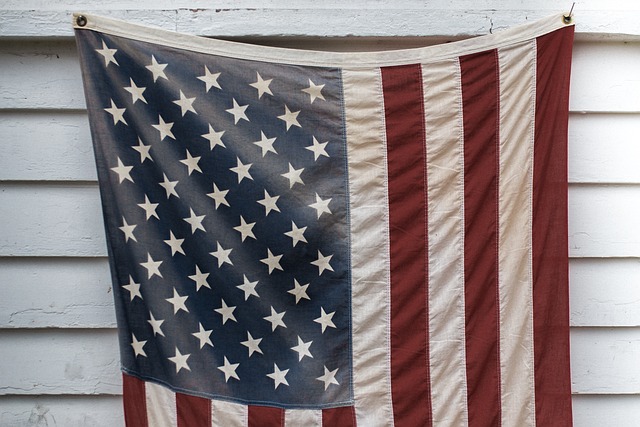
The US Army flag, rich in historical symbolism, reflects military evolution from the Civil War to present day. Crafting these flags requires meticulous attention to detail, incorporating colors and patterns that commemorate valor and sacrifice. They serve as powerful symbols of American military heritage, fostering camaraderie and community unity. High-quality craftsmanship ensures durability, while precise design and folding traditions preserve history. Displaying these flags honors service, celebrates unit pride, and passes down military legacy to future generations.
In the realm of military tradition, customized army service flags hold a significant place, serving as both symbolic representations and tangible links to a unit's history. These flags, designed with meticulous care, reflect the unique identity and achievements of each US Army regiment. However, navigating the process of creating or replacing these specialized flags can be intricate and confusing for many units. This article aims to provide an authoritative guide on custom army service flags, offering insights into design considerations, historical significance, and practical steps, ensuring your unit's flag stands proudly and accurately represents its legacy.
- Understanding Customized US Army Service Flags
- Design Process for Personalized Flag Creation
- Symbolism and Importance in US Army Flag Design
- Materials and Construction: Ensuring Quality Flags
- Ordering and Production: A Step-by-Step Guide
- Displaying Your Unique US Army Service Flag
Understanding Customized US Army Service Flags
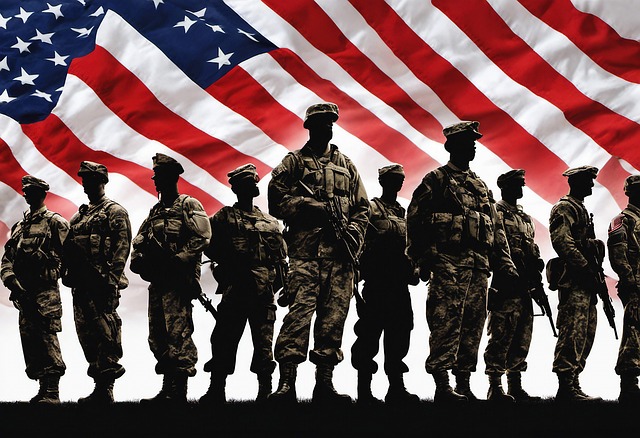
Customized US Army service flags carry a rich historical narrative, reflecting the military's evolution over time. These flags are more than just ornamental; they serve as powerful symbols of unit identity, heritage, and pride. Understanding their development requires delving into pivotal periods such as the Civil War era and Reconstruction, when rebel flags, including the infamous Confederate flag, held significant meaning. It is essential to recognize that while these historical banners hold value as artifacts, US Army flags represent a direct lineage from those early conflicts, marking a nation's transformation and commitment to unity.
The transition from rebel flag history to US Army flags is a testament to America's journey towards national identity. During the Civil War, various state militias and confederate armies employed distinctive banners, often reflecting regional influences and cultural identities. However, as the Union emerged victorious, the post-war Reconstruction period saw the rise of standardized military insignia and flags. This evolution mirrored the nation's efforts to mend divisions and forge a unified military structure. For instance, the introduction of regulation US Army flags in the late 19th century underscored the professionalization of the military and the importance of creating a sense of shared purpose across diverse units.
Today, customized US Army service flags continue this tradition by allowing individual units to personalize their banners with unique emblems, colors, and designs. This practice fosters camaraderie among soldiers and serves as a visual representation of their collective experiences. For example, special operations units often incorporate subtle yet distinct markings to signify their specialized roles. By understanding the historical context behind these flags, from reconstruction period flags to civil war era banners, we gain insight into how the military has evolved while preserving its heritage. This knowledge not only respects the past but also empowers current and future service members to embrace their role in shaping the nation's defense.
Design Process for Personalized Flag Creation
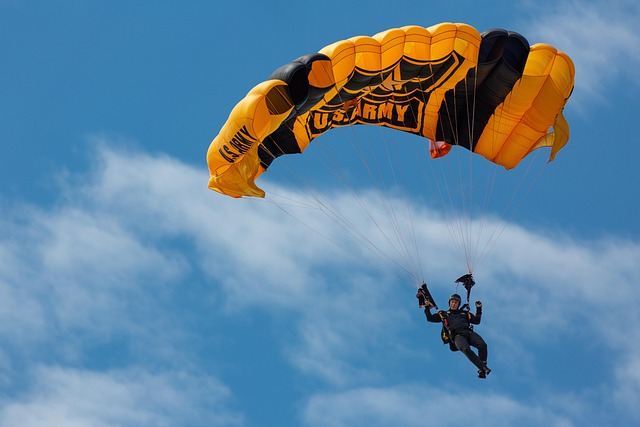
Creating a unique and personalized US Army service flag is an art that involves meticulous attention to detail and a deep understanding of military symbolism. The design process for these specialized flags begins with recognizing the rich heritage and history they represent. Each stripe, star, and emblem tells a story—a narrative of valor, sacrifice, and pride. Flag makers must be adept at interpreting these stories while incorporating the specific elements that make each unit or veteran unique.
The journey starts by delving into military color codes and their profound significance. These codes govern the arrangement and meaning of colors used in official flags and banners. For instance, red signifies courage, white symbolizes purity, and blue represents vigilance, perseverance, and justice—all core values cherished within the US Army. Understanding these codes ensures that the final design not only looks visually appealing but also conveys the intended messages accurately. This process involves extensive research into military history, flag-making traditions, and the specific unit or veteran's achievements.
When crafting a us army flag for military appreciation events or to honor US Army heritage, veterans often play a pivotal role in guiding the design. Their personal experiences and stories can inspire unique elements, making the flag more than just a visual representation—it becomes a tangible connection to their service and sacrifice. For example, a veteran who served in a specialized unit might incorporate distinctive symbols or colors that reflect their specific training and missions. This collaborative approach ensures that each flag is not only accurate but also deeply meaningful, fostering a sense of military appreciation among all who behold it.
Symbolism and Importance in US Army Flag Design
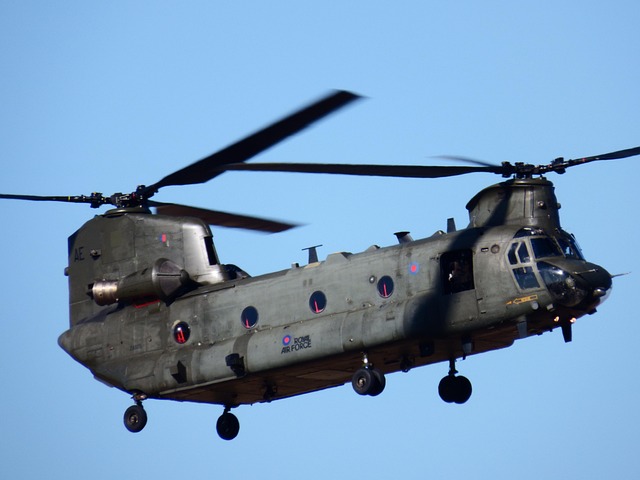
The US Army flag, an iconic symbol of military might and heritage, is more than just a piece of fabric; it embodies the values, history, and pride of America's land forces. The design of this flag holds profound symbolism, reflecting the unique mission and traditions of the army. Each element incorporated into the flag tells a story—from the bold colors representing courage and unity to the intricate patterns commemorating significant battles. For instance, the historical battlefield standards, often featured on the flag, pay tribute to pivotal moments in military history, fostering a connection between past and present soldiers.
Flag raising ceremonies, a traditional practice within the US Army, serve as a visual embodiment of this symbolism. When the colors are raised, it's not merely a ritual; it signifies the honor, discipline, and sacrifice associated with military service. These ceremonies, often held during celebrations or memorial days, become powerful moments where communities come together to recognize and respect their armed forces. For example, the sniper unit insignias, prominently displayed on some flags, symbolize the precision, focus, and deadly accuracy required in specialized combat roles, adding a layer of distinct identity to these elite units.
Designing or modifying an army flag requires a deep understanding of these symbolic meanings. Experts carefully consider historical precedents while incorporating contemporary elements that reflect evolving military strategies and values. This meticulous approach ensures that the US Army flag continues to inspire and represent its members, honoring their service and contributions to the nation's defense. By embracing the rich symbolism woven into its design, the army flag serves as a powerful tool for fostering unity, pride, and a shared sense of purpose among soldiers and citizens alike.
Materials and Construction: Ensuring Quality Flags
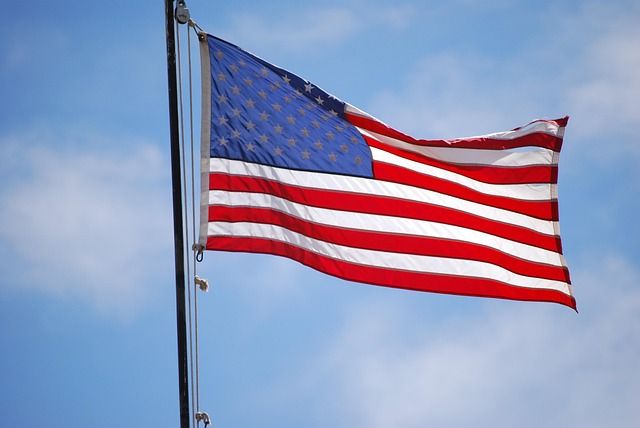
Customized army service flags, reflecting the pride and heritage of military units, demand meticulous craftsmanship to uphold their honor. When considering a US Army flag, understanding the materials and construction methods is paramount to ensuring quality. Superior-grade fabrics, such as durable nylon or polyester, are favored for their longevity in various weather conditions. These modern army colors accurately represent special forces divisions, making them ideal for both indoor display and outdoor use.
The sewing process plays a critical role in flag durability. High-quality flags employ intricate stitching to reinforce stress points, ensuring they withstand the rigors of time and environment. Skilled artisans utilize specialized machinery to create intricate designs, from division guidons to iconic symbols. Online military flag stores offer a wide array of customizable options, allowing individuals to sew their own unique banners that pay tribute to specific units or commemorate historic battles.
Many reputable manufacturers adhere to stringent quality control measures, ensuring each flag meets the highest standards. This includes meticulous attention to detail in color accuracy, precision cutting, and robust finishing techniques. For instance, top-tier flags often feature reinforced rope and brass hardware for hanging, guaranteeing longevity and aesthetic appeal. By selecting carefully crafted flags, whether from specialized stores or online, you honor the sacrifices of our Army while ensuring a symbol of pride that will stand the test of time.
Ordering and Production: A Step-by-Step Guide
Ordering and producing a customized US Army service flag is a meticulous process that demands precision and an understanding of military heritage. This guide offers a step-by-step approach to crafting these iconic symbols accurately, ensuring they honor the traditions and history of various branches.
The journey begins by selecting the appropriate flag design based on the unit's specialization. For instance, infantry regiments often display flags with bold colors and distinctive patterns reflecting their battle achievements. Artillery units might opt for designs featuring cannons or artillery pieces, symbolizing their explosive power. Cavalry flags, historically carried by mounted troops, are known for their mobility-inspired motifs. These choices set the tone for the entire customization process. Each branch has its own set of guidelines and traditions, from the intricate flag folding rituals to specific colors and emblems representing distinct roles in the military hierarchy.
Once the design is finalized, high-quality materials become paramount. The flag's fabric should be durable enough to withstand outdoor conditions, with vibrant colors that remain rich over time. Professional printing techniques ensure precision in replicating historical or modern unit insignia. For example, Civil War era banners often feature intricate embroidery and hand-painted details, requiring skilled artisans to recreate these masterpieces accurately. Quality control measures at each stage are crucial to meeting military standards and ensuring the final product is a proud representation of the unit's legacy.
The production process involves meticulous stitching, precise printing, and careful attention to detail. Flags are meticulously folded according to established traditions before packaging, ready for delivery. This meticulous craftsmanship ensures that each flag not only looks authentic but also upholds the revered place these symbols hold in military culture. Whether honoring infantry, artillery, cavalry, or units from the Civil War era, these customized flags become cherished heirlooms passed down through generations of service members.
Displaying Your Unique US Army Service Flag
Displaying Your Unique US Army Service Flag is a powerful way to honor your service, showcase your unit's pride, and preserve history. Customized military flags, such as brigade colors or cornwall-style battle flags, serve as tangible links to the past, symbolizing the courage and sacrifice of those who came before. When choosing how to display your US Army flag, consider its significance beyond just aesthetics—it represents a bond to comrades, a testament to shared experiences, and a symbol of honor and duty.
For instance, sniper units often commission custom designed military flags incorporating their distinct insignias. These intricate emblems, meticulously crafted to reflect the unit's unique identity, become focal points when flown alongside the US Army flag. Data suggests that display of such personalized flags boosts camaraderie and unit morale, fostering a sense of belonging among soldiers both past and present.
Integrating your US Army flag into daily routines or special ceremonies enhances its meaning. Whether hanging it proudly at home, raising it during memorial day events, or displaying it at base functions, these acts of recognition contribute to a vibrant tapestry of military heritage. To ensure proper display, consider the flag's fabric and construction—high-quality materials withstand outdoor elements while preserving vibrant colors. Professional tailoring ensures your US Army flag reflects precision and pride, allowing you to pass down this cherished symbol to future generations.
Customized US Army service flags serve as powerful symbols of military heritage and personal connection. By understanding the design process, symbolism, and high-quality construction, individuals can create unique flags that honor their service and sacrifice. This article has provided an authoritative guide, from material selection to ordering and display, empowering readers to craft meaningful US Army flags that resonate both personally and communally. The next step is to translate these insights into action, allowing each flag to tell its own story within the broader tapestry of military history and pride.