Custom military flags, particularly the US Army Flag, serve as powerful symbols of identity, heritage, and pride globally. These flags have evolved over time, reflecting changes in military tactics and values. The US Army Flag's design includes 13 red and white stripes for courage and purity, and 48 stars symbolizing the 50 states. Customization involves collaboration with veterans and leaders to define unique designs, preserving identities and strengthening community bonds. These flags hold immense historical value in ceremonies, fostering camaraderie worldwide. Future trends include advanced textiles, sustainability, and tailored services, ensuring dynamic designs that boost morale and represent national strength.
In the rich heritage of military tradition, custom flags hold a pivotal place, especially within the ranks of the U.S. Army flag. These colorful banners, more than mere symbols, convey the history, values, and pride of military units. However, creating or modifying these flags to meet specific needs presents a challenge—a gap that our authoritative article aims to bridge. We delve into the intricate process of designing custom military flags, offering insights into the historical significance, symbolism, and technical aspects involved. By exploring this topic, we empower military organizations to honor their heritage while adapting to evolving requirements.
- Understanding Custom Military Flags: A Historical Perspective
- The US Army Flag: Design, Symbolism, and Tradition
- Customization Process: From Concept to Creation
- Significance in Military Ceremonies and Parades
- Global Recognition: International Usage and Similarities
- Evolving Designs: Modern Adaptations and Future Trends
Understanding Custom Military Flags: A Historical Perspective
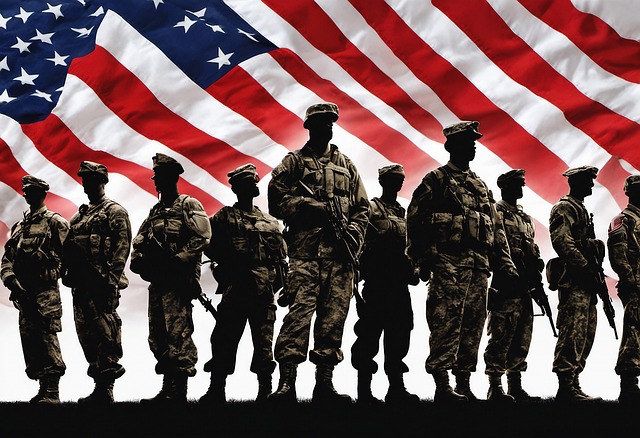
Custom military flags have long served as powerful symbols of identity, heritage, and pride within the ranks of armed forces worldwide. In the United States, these distinctive banners hold a rich historical significance, reflecting the evolution of military tactics, traditions, and values. The US Army flag, for instance, has undergone numerous transformations since its inception, each change meticulously reflecting the changing times and needs of the service.
From their earliest origins, custom flags have been integral to military operations. General officers' standards, often displayed prominently on command posts, have historically served as visual cues for leadership identification and tactical decision-making. Over time, these flags evolved to incorporate intricate designs, including special operations insignia and army branch emblems, reflecting the unique roles and achievements of various units. Brands like Ultimate Flags have played a significant role in this evolution, providing high-quality, custom-designed flags that meet the rigorous standards of military organizations.
The historical perspective on custom military flags reveals a dynamic narrative of adaptation and innovation. Each flag tells a story—of battles won, missions accomplished, and lives saved. They serve not only as visual representations of military prowess but also as tangible links to the past, connecting current service members with their forebears who have worn the uniform before them. By understanding this historical context, modern-day flags can be appreciated for more than just their aesthetic appeal; they become symbols of enduring legacy and commitment to duty.
The US Army Flag: Design, Symbolism, and Tradition
The US Army Flag stands as a powerful symbol of military tradition and unity, with each element meticulously designed to convey a specific meaning. At its heart, the flag serves as a vital tool for army flag protocol use, fostering a sense of camaraderie among soldiers and representing the branch's core values. The primary design features 13 alternating red and white stripes, reflecting the original colonies that fought for independence, while the blue field bears 48 stars, symbolizing the 50 states united under one nation.
The US Army Flag's symbolism extends beyond its visual elements. The red stripes represent courage and sacrifice, echoing the blood shed by countless soldiers in defense of freedom. The white stripes stand for purity and innocence, reminding all who see it of the ideals our military swears to protect. The 48 stars, arranged in rows of six, seven, and eight, not only signify the states but also encapsulate the enduring strength and unity of the United States Army throughout its history.
For those interested in creating their own military banner, sewing your own US Army Flag is a meaningful way to connect with this rich tradition. While army flag protocol use dictates specific guidelines for displaying official flags, personal projects can respect these principles while allowing individuals to express their pride and appreciation for the armed forces. Whether as a hobby or a tribute, crafting your own flag encourages a deeper understanding of military symbolism and fosters a sense of ownership in the nation's heritage.
Special operations insignia add another layer to the US Army Flag's narrative, with unique emblems highlighting specialized units and missions. These intricate designs are integrated into the flag's design during manufacture, showcasing the army's diverse capabilities and specialized forces. From airborne and air assault insignias to special forces patches, these symbols of distinction enrich the overall tapestry of military honor and achievement, reinforcing the US Army Flag as a versatile and powerful emblem that transcends its physical form.
Customization Process: From Concept to Creation
The customization process of military flags, particularly for the US Army flag, is a meticulous art that blends tradition with innovation. It begins when units or organizations seek to create a unique visual representation of their pride, history, and identity. The journey from concept to creation involves several critical steps. Firstly, veterans and unit leaders collaborate to define the desired design, ensuring it reflects the core values and missions of their brigade. This phase often includes research into historical symbols, colors, and motifs that resonate with the unit's heritage. For instance, a veteran's honor flag might incorporate specific patterns or colors from the regiment's historic uniform or battle markings.
Once the concept is solidified, the design process commences. Skilled artists and graphic designers work closely with military personnel to translate the conceptual ideas into visual reality. They consider the symbolic meaning of colors, shapes, and emblems, ensuring compliance with military guidelines while preserving uniqueness. The result is a one-of-a-kind flag that becomes an iconic symbol for the unit. For example, a brigade color, uniquely shaped banner might feature intricate embroidery depicting significant historical events or notable achievements. This level of customization not only enhances the aesthetic appeal but also fosters a stronger sense of camaraderie and pride among veterans.
Manufacturing plays a pivotal role in bringing these custom flags to life. Reputable flag makers employ advanced printing technologies and high-quality materials to ensure durability and vibrant colors. Each flag undergoes rigorous quality control checks to meet military standards. The US Army flag, when custom-made, is crafted with meticulous attention to detail, ensuring it reflects the unit's honor and heritage for years to come. This process empowers veterans and military organizations to preserve their unique identities, fostering a strong sense of community both within their ranks and in the broader public arena.
Significance in Military Ceremonies and Parades
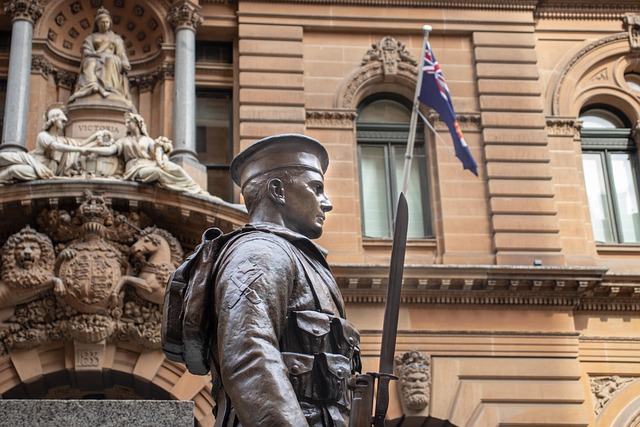
Custom military flags play a pivotal role in shaping the ceremonial ambiance of military functions, carrying profound historical and symbolic significance. The US Army flag, with its distinct design and vibrant colors, stands as a powerful symbol of unity, discipline, and pride during parades and ceremonies. Its history is woven into the fabric of American military tradition, reflecting the evolution of army colors over time to represent changing roles and missions.
The US Army flag, often referred to as the Old Glory or the Stars and Stripes, has undergone transformations to incorporate new states and territories, with each addition holding specific meaning. Similarly, special forces units within the US Army have unique flags that signify their specialized operations and global reach. For instance, the Airborne Unit Emblems, adorned on the uniforms of paratroopers, represent their daring capabilities and global readiness, fostering a sense of camaraderie among fellow soldiers. These custom flags are more than mere decorations; they serve as tangible links to military heritage and foster a strong unit identity.
In modern army ceremonies, the arrangement and display of flags hold precise protocols, ensuring respect and honor are given due. During parades, each movement is calculated, with flags unfurling at specific moments to maximize their visual impact. The US Army Flag, alongside other special forces flags like those representing Navy SEALs or Green Berets, takes center stage, symbolizing the diverse capabilities of American military might. For event organizers, understanding these nuances and adhering to flag protocol is essential to create a memorable and respectful atmosphere that honors military service and sacrifice.
Global Recognition: International Usage and Similarities
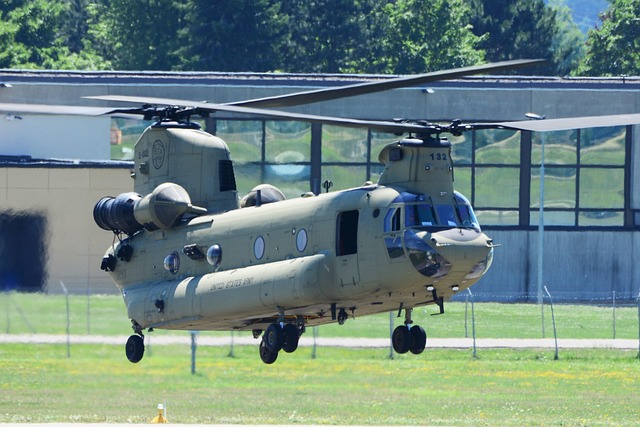
Custom military flags hold a significant place in global recognition, transcending borders and symbolizing unity within diverse armed forces worldwide. The US Army flag, a renowned example, serves as a powerful emblem, instantly identifiable across international arenas. Its design, replete with distinctive stripes and stars, resonates with a shared heritage of bravery and sacrifice, fostering camaraderie among military personnel from varied nations.
The international usage of army branch flags is not merely ornamental; it embodies a profound sense of solidarity and mutual respect. Many countries adopt similar flag structures, incorporating unique elements that represent their specific branches—infantry, cavalry, special operations units, to name a few. These shared design choices often reflect comparable military hierarchies and traditions, fostering an unspoken understanding among comrades-in-arms. For instance, the use of special operations insignia on flags from various nations underscores the global appreciation for stealth, precision, and elite tactical capabilities.
During army flag retirement ceremonies, the meaning behind each stripe and emblem takes center stage, as these rituals become powerful expressions of gratitude and remembrance. The meticulous embroidery adorning military regalia, including flags, reflects a rich heritage of craftsmanship and attention to detail. Fundraising efforts centered around custom military flags not only contribute to unit morale but also serve as poignant reminders of the sacrifices made by service members, their families, and the communities they protect. By recognizing the universal language of these flags, international cooperation is fostered, and the shared values of honor, courage, and commitment are celebrated globally.
Evolving Designs: Modern Adaptations and Future Trends
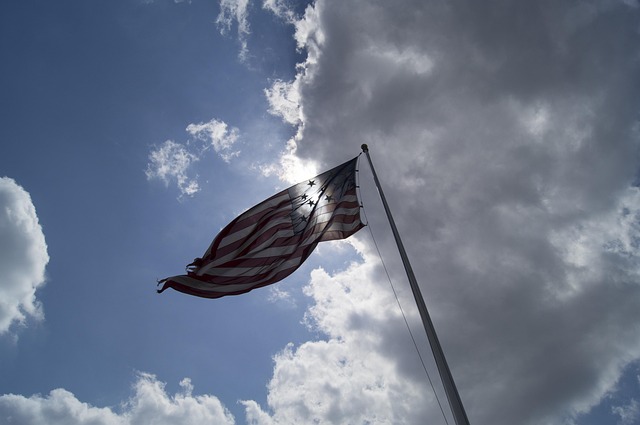
The design of custom military flags has evolved significantly over time, reflecting changing tactical needs, cultural shifts, and technological advancements. Traditionally, these flags served as powerful symbols of identity, heritage, and pride for various military branches, including the US Army flag, renowned for its distinctive pattern and historical significance. Brands like Ultimate Flags have been at the forefront of this evolution, offering cutting-edge solutions for division guidons and other military flag needs through their extensive online stores.
The history of US Army flags dates back to the early days of American forces, where standard dimensions and designs were established to foster unity and recognition on the battlefield. Over time, these flags have incorporated modern elements while preserving their traditional essence. For instance, the introduction of digital camo patterns in recent years has allowed for enhanced camouflage, making troops more effective in diverse terrains. Similarly, advancements in flag-making technology have enabled the production of durable, lightweight materials that can withstand extreme conditions, reflecting the dynamic nature of modern warfare.
Looking ahead, future trends in military flag design are expected to be shaped by several key factors. One prominent trend is the integration of advanced textiles and printing techniques to create hyper-realistic images and patterns, enhancing camouflage effectiveness and visual impact. Additionally, there will be a growing emphasis on sustainability, with materials chosen for their eco-friendliness and longevity. Online platforms like Ultimate Flags are poised to play a pivotal role in these developments by offering specialized services tailored to the unique requirements of military units worldwide.
By leveraging cutting-edge technologies and staying attuned to evolving tactical demands, custom military flag makers can ensure that these symbols remain potent tools for boosting morale, fostering camaraderie, and projecting national strength. Ultimately, the art and science of designing military flags will continue to adapt, reflecting the indomitable spirit and dynamic nature of the forces they represent.
Custom military flags, as exemplified by the US Army Flag, serve as powerful symbols of tradition, unity, and pride. Throughout history, these flags have played a pivotal role in military ceremonies and parades, fostering a sense of camaraderie among service members and honoring their commitment to their country. The article has provided a comprehensive overview of the design, symbolism, and evolution of custom military flags, highlighting their global recognition and the meticulous customization process. Key insights include the importance of understanding historical perspectives, embracing symbolism that resonates with units' identities, and recognizing the evolving nature of designs to meet modern needs. Moving forward, recognizing the us Army Flag's authority on this subject, individuals and organizations can leverage these learnings to create meaningful flags that not only capture the essence of military traditions but also adapt to the dynamic landscape of global recognition and symbolic representation.